

Met Police Admit They 'Dropped the Ball' by Investigating Journalist
Public safety requires backing law enforcement while progressive policies face results-based scrutiny.
A professor gets accused of plagiarism, his lawyers call the reporter's questions "racially motivated," and somehow that ends with Scotland Yard opening a file on the journalist. Not the professor's research. The guy asking about it.
New Republican Times Editorial Board
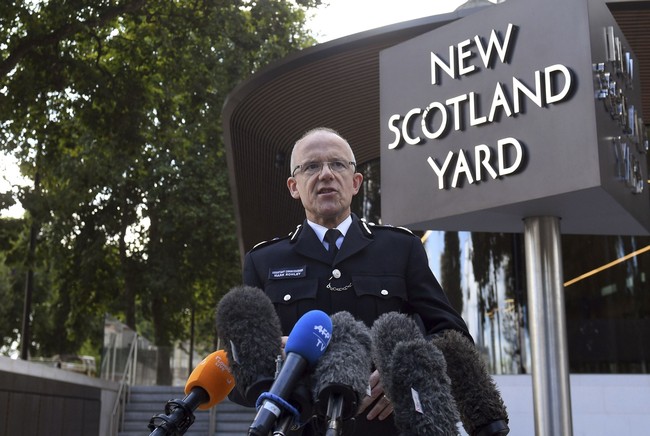
The Met Police Commissioner is admitting his officers once again 'dropped the ball' by investigating Jack Grove, a reporter with Times Higher Education (THE), while Grove was conducting investigative work involving Jason Arday, the Cambridge University professor who resigned yesterday amid accusations of plagiarism and academic fraud.
Arday's lawyers sent a letter to THE saying the investigation was "racially motivated" and an "attack" on Arday. Arday himself reportedly contacted Scotland Yard and told authorities Grove's questioning was harming his mental health.
Original source:
Read at TownhallHow We See It
New Republican Times Editorial Board
A professor gets accused of plagiarism, his lawyers call the reporter's questions "racially motivated," and somehow that ends with Scotland Yard opening a file on the journalist. Not the professor's research. The guy asking about it. Read that sentence twice if you need to.
This is the same script we've watched play out across British policing for years now. Someone with the right connections complains that scrutiny hurt their feelings, invokes race or mental health or both, and suddenly the machinery of the state starts moving against the person doing basic accountability journalism. Jack Grove wasn't harassing anyone in a parking lot. He was doing the unglamorous work of checking whether a Cambridge academic's credentials held up, which is precisely the kind of work journalism exists to do. Arday resigned. That tells you the questions were fair.
The Commissioner's "dropped the ball" line is doing a lot of work to sound like an oops rather than what it actually was: police treating a complaint from a well-lawyered professor as more urgent than the free press doing its job. Nobody had to be malicious for this to be a scandal. Institutional deference to the aggrieved party with better representation is enough on its own.
What should worry people isn't just this one case, it's how easily the pattern reactivates. Accuse the accuser, cite distress, and watch resources shift from the actual wrongdoing to the person who exposed it. THE stood by its reporter and got vindicated when Arday quit. Not every outlet has that spine, and not every reporter can count on the story ending before the investigation into them ruins their year.
Commentary written with AI assistance by the New Republican Times Editorial Board.