

Meta, other companies must face thousands of lawsuits over child social media addiction, appeals court rules
Constitutional questions test judicial philosophy as Americans debate the role of unelected judges.
Three thousand lawsuits clearing an appeals court is not a technicality. It means judges looked at the argument that these platforms were engineered, deliberately, to hook teenagers and decided it deserves a jury, not a dismissal. That's the part worth sitting with.
New Republican Times Editorial Board
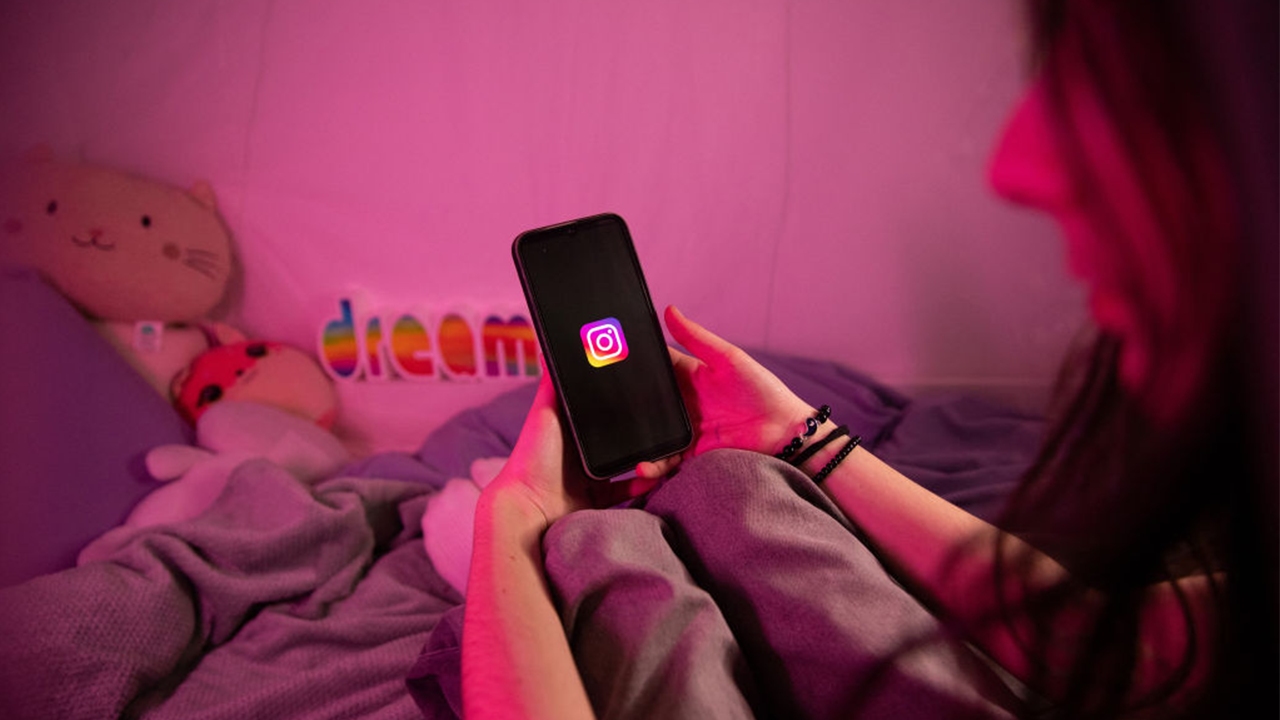
An appeals court ruled more than 3,000 lawsuits against Meta, Google, TikTok and Snapchat over addictive design claims targeting youth can proceed.
Original source:
Read at Fox BusinessHow We See It
New Republican Times Editorial Board
Three thousand lawsuits clearing an appeals court is not a technicality. It means judges looked at the argument that these platforms were engineered, deliberately, to hook teenagers and decided it deserves a jury, not a dismissal. That's the part worth sitting with. This wasn't kids stumbling onto something addictive by accident. The claim is that infinite scroll, autoplay, push notifications timed for maximum reach into a developing brain were product choices, made by people who had the data on what those choices do to a fifteen-year-old at eleven at night.
For years the industry's answer to every concern about kids and screens was Section 230 and a shrug. Just a platform, just hosting content, not our problem what people do with it. This ruling chips at that shield in a place it was never really built for. Addictive design isn't a third party posting something harmful. It's the company's own engineering decision. Parents and prosecutors have been saying that distinction matters for years while Meta and Google treated it as background noise.
We're not naive about where 3,000 lawsuits can go. Trial lawyers will oversell, some claims will be weak, and there's a real difference between a company that built a product recklessly and one that just made something people use too much. Courts need to sort that out case by case, not with a blanket verdict against an entire industry.
But letting this go to juries is the right call regardless. These companies have spent a decade insisting they bear no responsibility for what their algorithms do to kids' attention spans, sleep, and self-image, while their own internal research said otherwise. If that's true, a jury should hear it, not a motion to dismiss. Accountability for Silicon Valley shouldn't require an act of Congress when the courts are still open for business.
Commentary written with AI assistance by the New Republican Times Editorial Board.