

New York Times Nightmare: Shareholder Revolt Threatens To Expose Paper’s Inner Sanctum
This story raises questions about governance, accountability, and American values.
A shareholder lawsuit is a strange place to find the most interesting oversight story about the New York Times in years, but here we are. The complaint isn't about some rival outlet accusing the paper of bias, which the Times could shrug off as it always does. It's investors, the people whose money actually funds the operation, asking whether the board has been doing its job while the newsroom's Israel coverage kept generating controversy after controversy.
New Republican Times Editorial Board
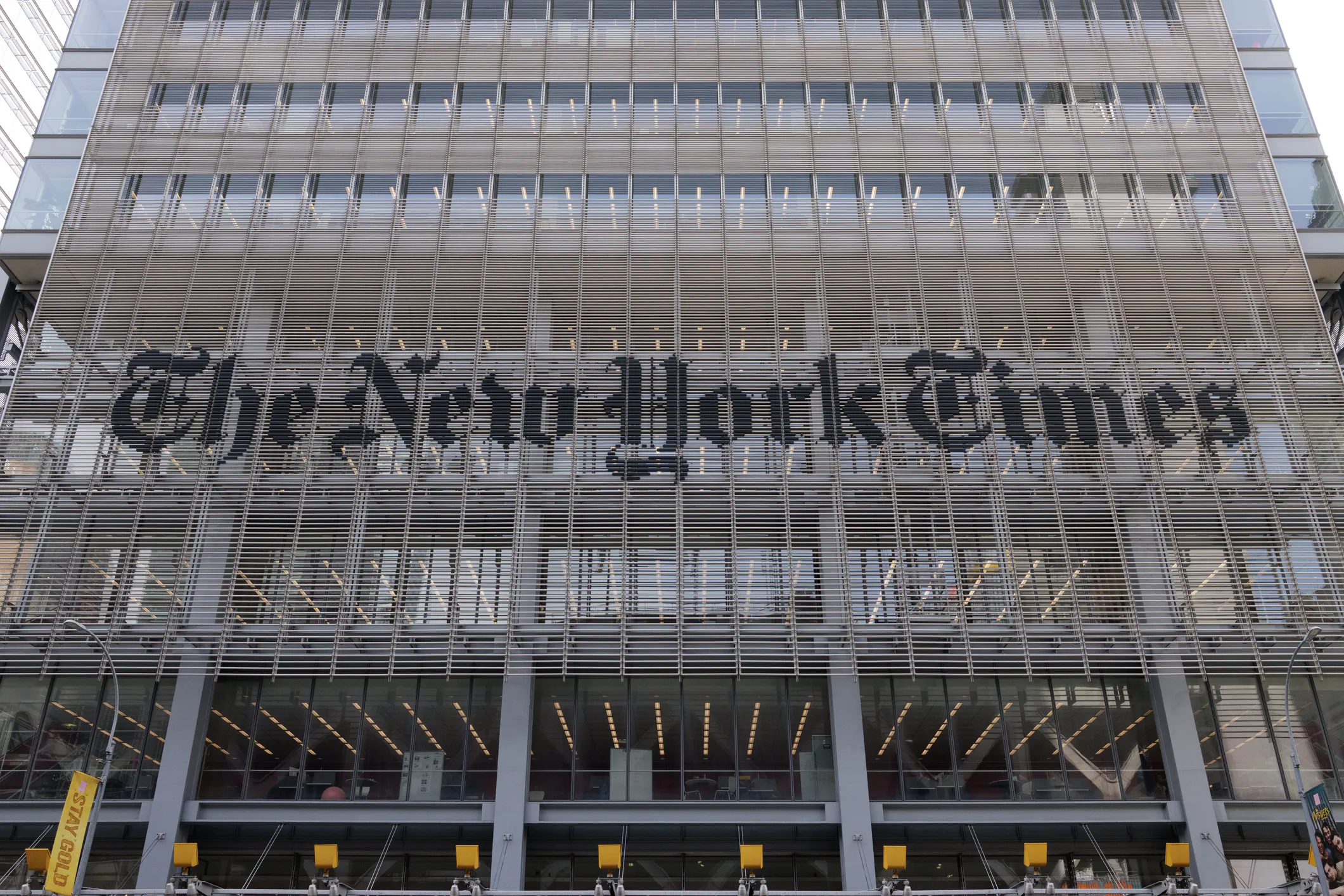
A shareholder revolt against The New York Times is gaining serious legal muscle, with a growing bloc of law firms now threatening to drag the paper of record into court unless it hands over internal records probing whether its board has been asleep at the wheel while the newsroom churns out coverage slanted against Israel.
Original source:
Read at Daily WireHow We See It
New Republican Times Editorial Board
A shareholder lawsuit is a strange place to find the most interesting oversight story about the New York Times in years, but here we are. The complaint isn't about some rival outlet accusing the paper of bias, which the Times could shrug off as it always does. It's investors, the people whose money actually funds the operation, asking whether the board has been doing its job while the newsroom's Israel coverage kept generating controversy after controversy. That's a different animal than a media-critic op-ed. Boards exist to ask hard questions of management, and if a bloc of shareholders thinks nobody upstairs was asking any, they have every right to force the paper's hand in court.
What makes this fun to watch is that the Times has spent decades lecturing other institutions about transparency and accountability. Corporations, universities, the Catholic Church, you name it, all got the full "answer for what happens under your roof" treatment from the editorial page. Now the shoe is on the other foot, and the paper's instinct will almost certainly be to stonewall, cite editorial independence, and hope the lawyers go away. Editorial independence is real and worth protecting. It is not, however, a magic phrase that makes governance questions disappear, and a board still has fiduciary duties even to a newsroom that thinks it answers to no one.
None of this proves the board failed. Maybe internal records show rigorous debate and real scrutiny of the coverage in question. But if that's true, handing over the documents should be easy, not something requiring a legal fight to pry loose. The instinct to hide the paperwork tells you almost as much as the paperwork would.
Commentary written with AI assistance by the New Republican Times Editorial Board.