

Jordan says its air force joined U.S. strikes on Islamic State in Syria
This story raises questions about governance, accountability, and American values.
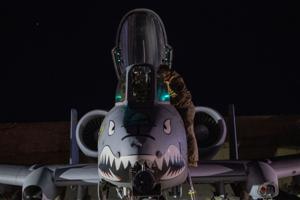
DAMASCUS, Syria — Jordan confirmed Saturday that its air force took part in strikes launched by the United States on Islamic State group targets in Syria in retaliation for the killing of three U.S. citizens earlier this month.
Read the original story:
Telegraph HeraldHow We See It
New Republican Times Editorial Board
The recent announcement about Jordan's participation in U.S. airstrikes against Islamic State targets prompts important questions about the broader implications and responsibilities involved in these military actions. Mainstream media often heralds such collaborations as proof of unity in combating terrorism, yet this framing overlooks a crucial point: the importance of national sovereignty. Countries like Jordan are navigating their own political landscapes and risks, and these joint operations must be understood within that context rather than treated as straightforward alliances.
While the intent may be to showcase a united front against IS, we must remember that military interventions can strain relationships among allies and complicate local political dynamics. The conservative perspective emphasizes not just the fight against terrorism but the overall stability of institutions within affected nations. Instability feeds extremism, so a thoughtful approach is necessary when considering the ramifications of such strikes.
Ultimately, this situation underscores the principle of strategic national interests. Supporting endeavors that bolster regional stability is vital to ensuring longer-term peace and security. Understanding the complexities involved in military actions—especially in volatile regions—requires a nuanced view that honors both our commitment to combat terrorism and the need for stable governance in partner nations.
Commentary written with AI assistance by the New Republican Times Editorial Board.