

Postponed '60 Minutes' segment on Salvadoran prison is streamed by Canadian outlet
This story raises questions about governance, accountability, and American values.
The debate surrounding CBS News' decision to postpone its "60 Minutes" segment on the Salvadoran prison, CECOT, highlights a troubling trend in media reporting. The framing of this issue suggests that the postponement was purely a political maneuver, aimed at shielding the Trump administration from scrutiny. However, such an interpretation overlooks the **importance of editorial integrity** and the need for context in journalism.
New Republican Times Editorial Board
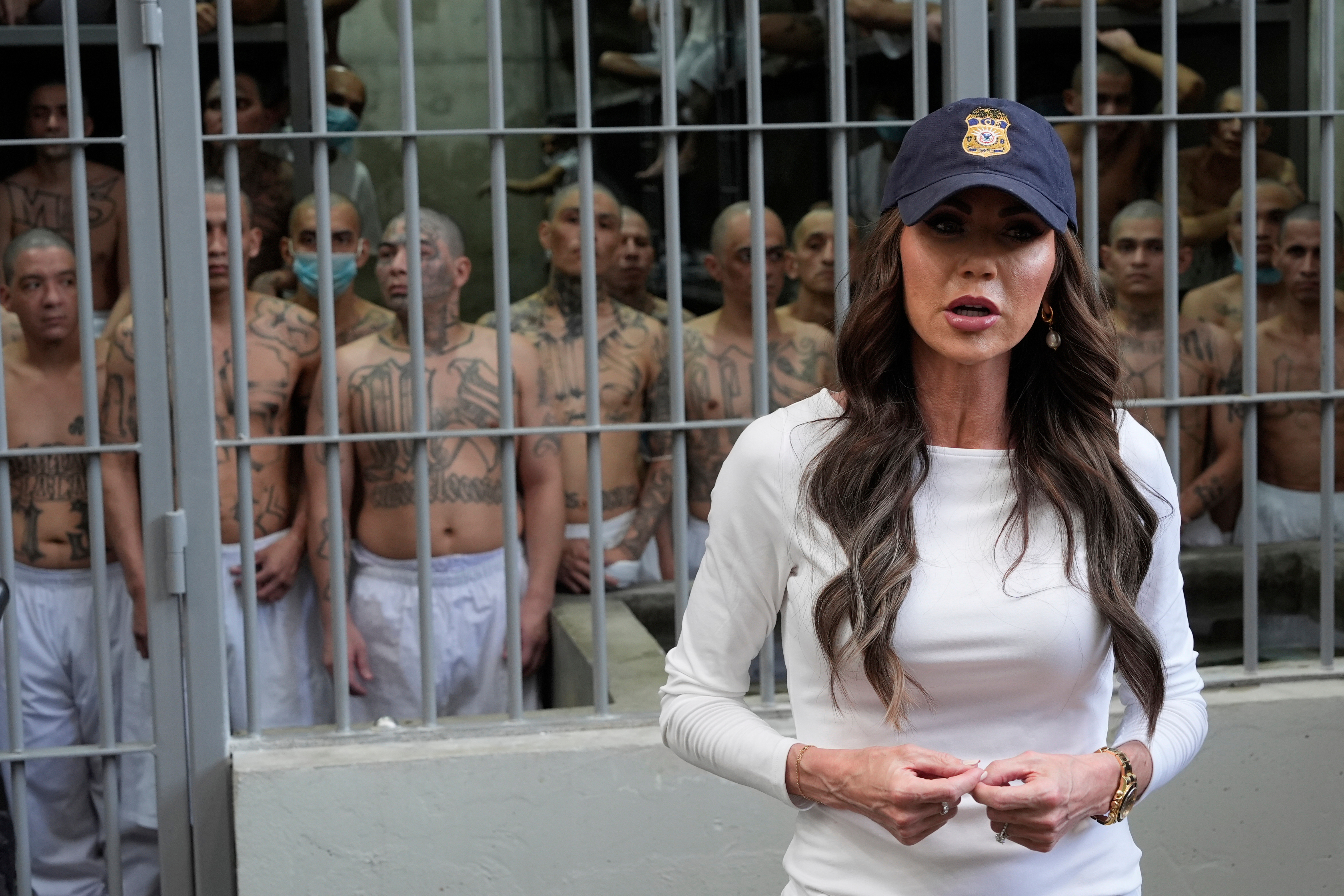
While the furor over CBS News’ decision to delay a planned “60 Minutes” report about deportees sent by the Trump administration to a notorious Salvadoran prison continued Monday, the intended segment was already circulating online, having been streamed in Canada.The report, titled “Inside CECOT,” was streamed by Canada’s Global Television Network.
In the U.S., its broadcast was postponed by CBS under its new editor-in-chief, Bari Weiss.It includes interviews from people who were deported from the U.S. to the Center for the Confinement of Terrorism, or CECOT, under the Trump administration.
The interviewees described torture and physical and sexual abuse at the complex.“When we got there, the CECOT director was talking to us. The first thing he told us was that we would never see the light ...
Original source:
Read at NBC Bay AreaHow We See It
New Republican Times Editorial Board
The debate surrounding CBS News' decision to postpone its "60 Minutes" segment on the Salvadoran prison, CECOT, highlights a troubling trend in media reporting. The framing of this issue suggests that the postponement was purely a political maneuver, aimed at shielding the Trump administration from scrutiny. However, such an interpretation overlooks the importance of editorial integrity and the need for context in journalism.
The concerns expressed by CBS News’ editor-in-chief Bari Weiss about the segment not being "ready" should prompt a deeper discussion about standards in reporting. It's not just about showcasing sensational testimony; it's about grounding narratives in accurate and comprehensive contexts. Holding a piece that may lack sufficient evidence or critical viewpoints is not necessarily censorship but a commitment to responsible journalism.
Moreover, the deployment of the Alien Enemies Act underlines the complexities of our national security policy. While the reported testimonies are severe and warrant attention, the conservative perspective emphasizes that any narrative must consider the implications for rule of law and public trust in our immigration system. In the end, prioritizing thorough reporting over immediate sensationalism serves to foster a more stable and informed public discourse.
Commentary written with AI assistance by the New Republican Times Editorial Board.