

Oil Prices Surge as U.S.-Iran Conflict Threatens Global Supply
Rising costs hit working families hardest while Washington debates spending priorities.
Mainstream coverage treats this oil spike like an unfortunate weather event, as if markets simply “react” to forces nobody controls. But the surge is tied to choices: deterrence that weakens, adversaries that test limits, and an energy posture that leaves Americans exposed when the Middle East flares up. What’s missing is the conservative concern about **energy independence** as a security asset, not a talking point.
New Republican Times Editorial Board
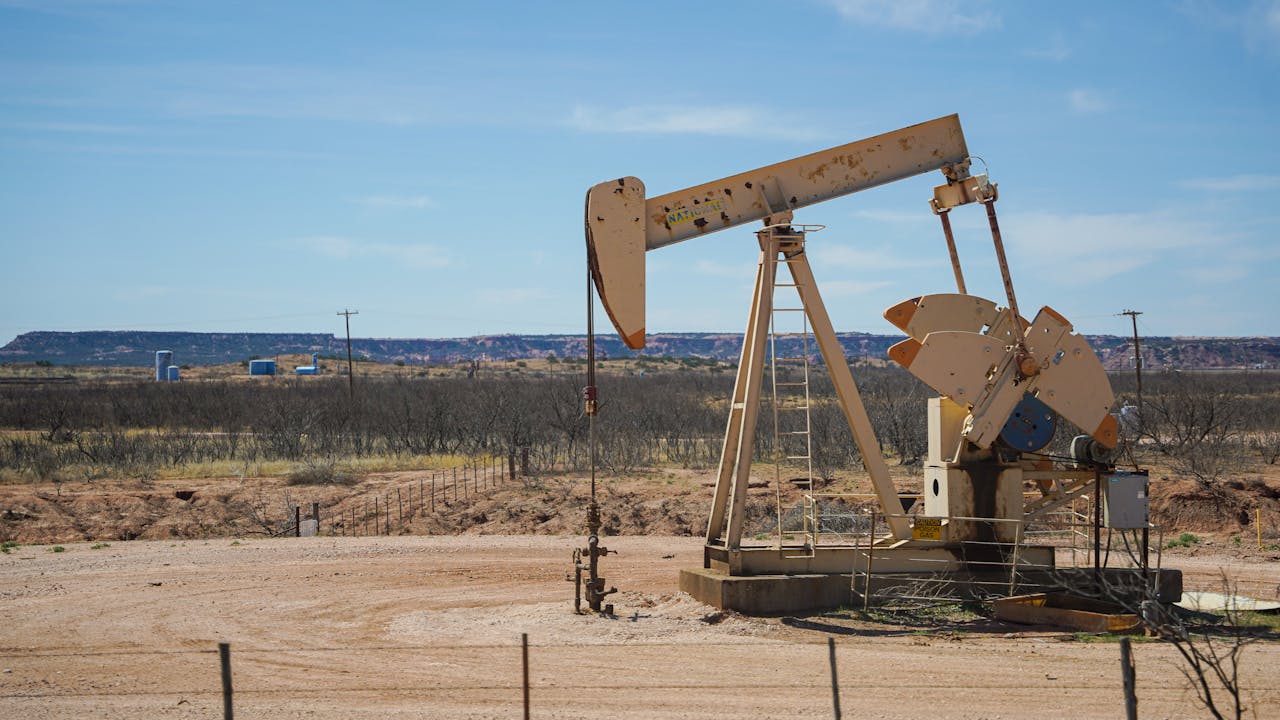
Global oil prices climbed sharply on Monday following the Easter holiday weekend, driven by escalating tensions between the United States, Israel, and Iran that continue to rattle international energy markets.
The ongoing
Original source:
Read at EconotimesHow We See It
New Republican Times Editorial Board
Mainstream coverage treats this oil spike like an unfortunate weather event, as if markets simply “react” to forces nobody controls. But the surge is tied to choices: deterrence that weakens, adversaries that test limits, and an energy posture that leaves Americans exposed when the Middle East flares up.
What’s missing is the conservative concern about energy independence as a security asset, not a talking point. When Washington constrains domestic production while betting on fragile supply lines abroad, price shocks become predictable. And when Iran senses hesitation, it prices that risk into every barrel.
The priority should be national security, stable supply, and public trust in competent governance. Americans should not be asked to absorb higher costs because policymakers prefer symbolic restraint over credible deterrence and a realistic energy strategy.
Commentary written with AI assistance by the New Republican Times Editorial Board.