

Orbán’s Hungarian election defeat: Good for Ukraine, bad for Russia
Election integrity questions persist as states navigate federal mandates and voter confidence.
The Atlantic Council frames Viktor Orbán’s defeat as a neat moral fable: Ukraine wins, Russia loses, Europe breathes easier. That’s tidy, but it skips over why many Hungarians backed Orbán in the first place and what comes next when Brussels gains leverage over a small member state. Conservatives should be clear-eyed.
New Republican Times Editorial Board
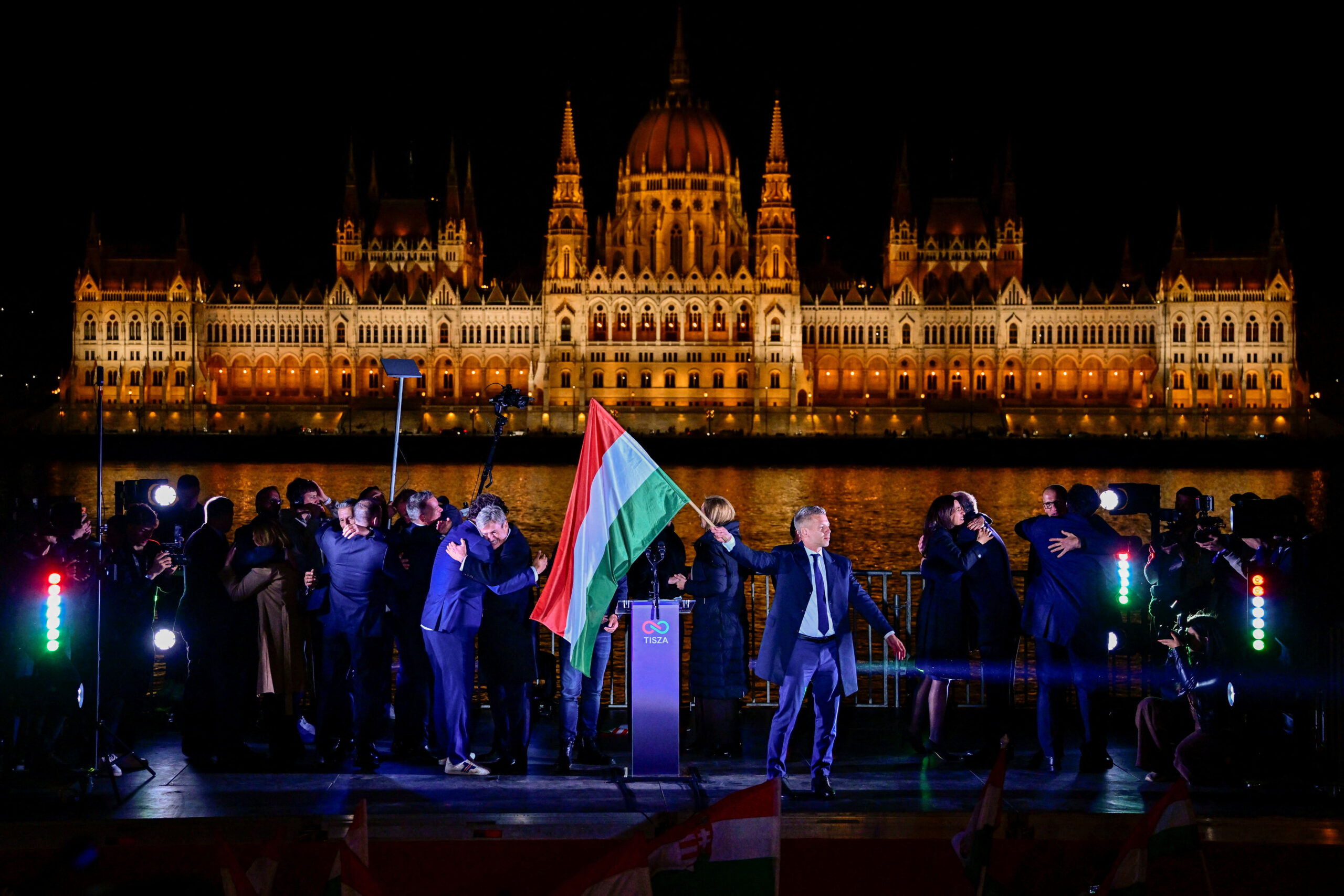
Hungarian Prime Minister Viktor Orbán's historic election defeat has removed a major obstacle to Ukraine's EU integration while robbing Putin of his most important European ally, writes Peter Dickinson.
The post Orbán’s Hungarian election defeat: Good for Ukraine, bad for Russia appeared first on Atlantic Council .
Original source:
Read at AtlanticcouncilHow We See It
New Republican Times Editorial Board
The Atlantic Council frames Viktor Orbán’s defeat as a neat moral fable: Ukraine wins, Russia loses, Europe breathes easier. That’s tidy, but it skips over why many Hungarians backed Orbán in the first place and what comes next when Brussels gains leverage over a small member state.
Conservatives should be clear-eyed. A government change in Budapest does not automatically strengthen the West if it means EU centralization by default and less room for democratic nations to set their own course. Ukraine’s future matters, but so do border security, energy realism, and public trust in institutions that often feel distant and self-serving.
If Hungary becomes a tool for punishing dissent rather than debating policy, Europe grows more brittle. The real test is institutional stability, not whether one leader was branded “pro” or “anti” the right side.
Commentary written with AI assistance by the New Republican Times Editorial Board.