

Pakistan and China propose five-part peace plan for Middle East
Strategic competition with Beijing demands clarity on American commitments and economic leverage.
Mainstream coverage treats Pakistan and China’s five-part “peace plan” as a welcome dose of diplomacy, as if any plan is better than none. That framing skips a basic question: whose interests does this serve, and what leverage backs it up? Beijing is not a neutral broker.
New Republican Times Editorial Board
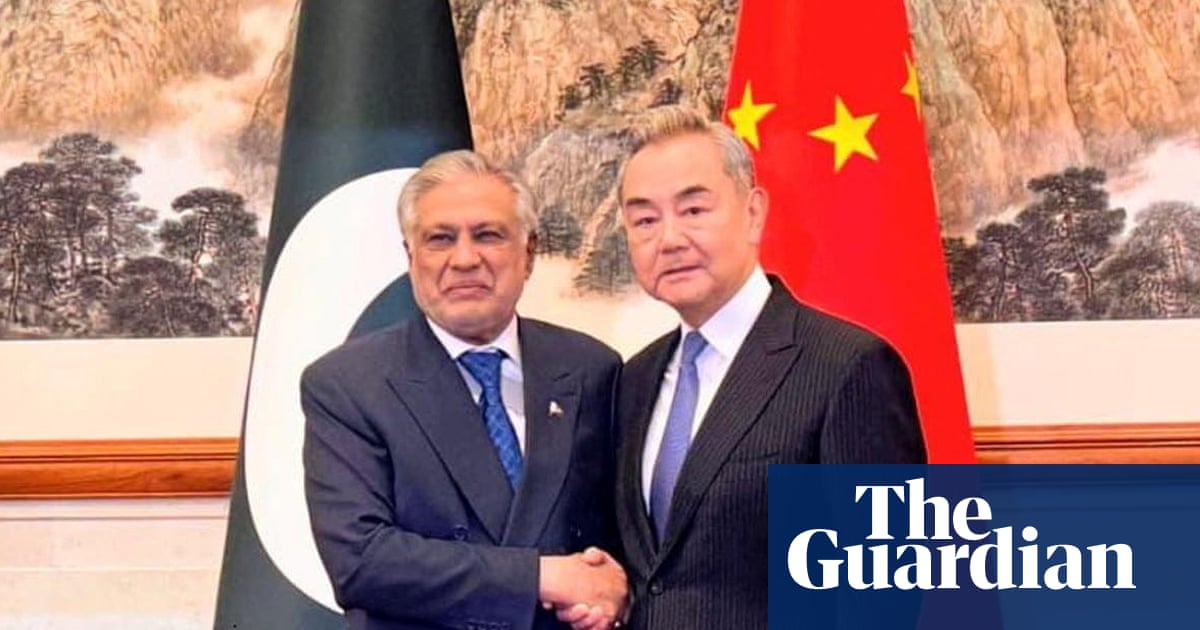
Foreign ministers Ishaq Dar and Wang Yi met in Beijing as Pakistan pushes for peacemaker role
Original source:
Read at The GuardianHow We See It
New Republican Times Editorial Board
Mainstream coverage treats Pakistan and China’s five-part “peace plan” as a welcome dose of diplomacy, as if any plan is better than none. That framing skips a basic question: whose interests does this serve, and what leverage backs it up?
Beijing is not a neutral broker. It is a power with expanding ties to Iran, deep economic stakes across the region, and a record of shielding partners from scrutiny. Pakistan’s bid for a peacemaker role may be earnest, but it is also shaped by dependence on China and a desire for stature. That is not a stable foundation for Middle East security.
A durable settlement requires credible enforcement, rule-of-law commitments, and accountability for armed proxies. Plans that ignore terrorism financing, hostage-taking, or missile networks trade hard problems for softer language.
The principle at stake is public trust in diplomacy: peace proposals should be judged by incentives, enforcement, and alignment with U.S. national interests, not by the prestige of the press conference.
Commentary written with AI assistance by the New Republican Times Editorial Board.