

Paramount-Warner Bros Discovery antitrust trial date set; merger put on pause over legal battle
This story raises questions about governance, accountability, and American values.
A $111 billion deal now hangs in legal limbo until spring 2027, and whatever you think of Paramount buying Warner Bros. Discovery, that timeline alone tells you something is broken. State AGs get to file suit, and suddenly a merger that markets have already priced in gets frozen for the better part of two years.
New Republican Times Editorial Board
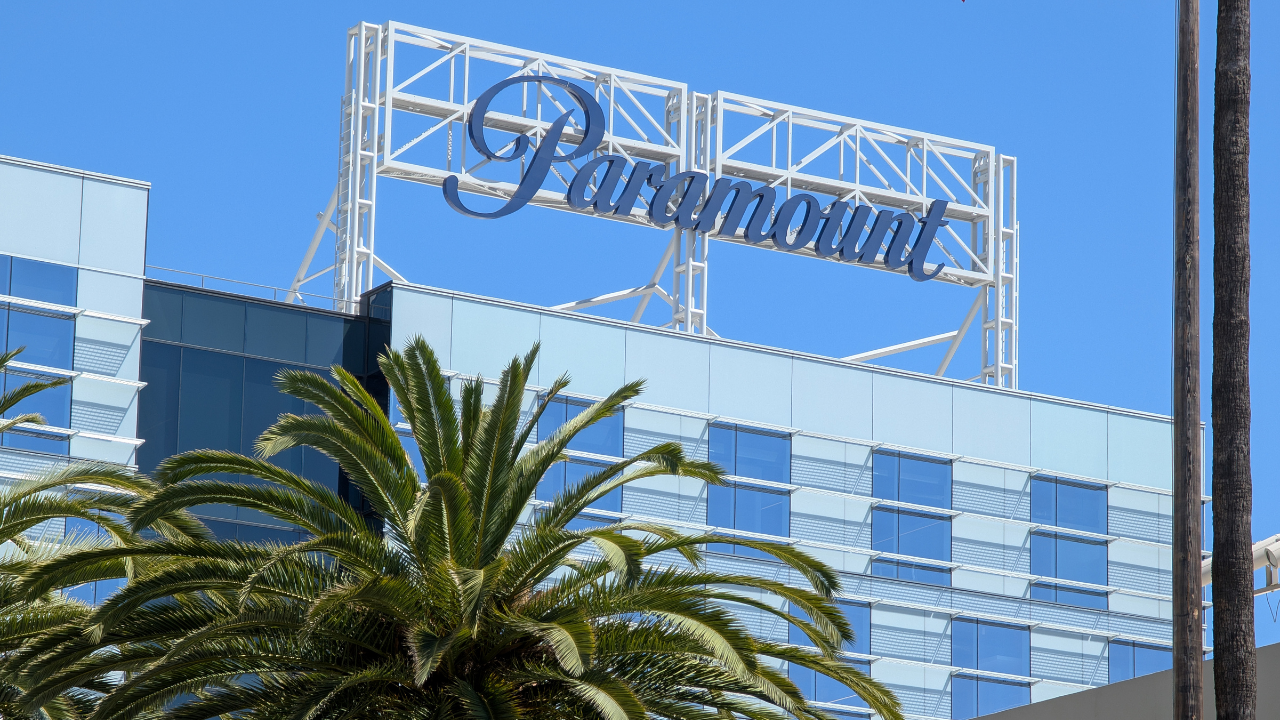
Paramount will head to court in spring 2027 to fight an antitrust lawsuit from a group of state AGs to block the company's $111 billion purchase of Warner Bros. Discovery.
Original source:
Read at Fox BusinessHow We See It
New Republican Times Editorial Board
A $111 billion deal now hangs in legal limbo until spring 2027, and whatever you think of Paramount buying Warner Bros. Discovery, that timeline alone tells you something is broken. State AGs get to file suit, and suddenly a merger that markets have already priced in gets frozen for the better part of two years. That's not oversight. That's a hostage situation dressed up as consumer protection.
We're not reflexively pro-merger. Media consolidation has real costs, and plenty of Americans are sick of watching their favorite channels get swallowed by ever-bigger conglomerates that care more about streaming subscriber numbers than actual programming. If there's a legitimate antitrust case here, make it and make it fast. But a multiyear delay isn't scrutiny, it's paralysis by process, and it hands enormous leverage to whichever state attorney general wants to grandstand about protecting competition while actually just gumming up the works.
Companies need to be able to plan. Employees at both Paramount and Warner Bros. Discovery are sitting in professional purgatory right now, not knowing whether their jobs, teams, or divisions will exist in the shape they currently do. Investors are stuck guessing. None of that serves anybody except lawyers billing hours and politicians who get to look tough in a press release.
If the merger is genuinely bad for consumers, the courts should say so quickly and kill it. If it isn't, they should clear the way just as fast. What we've got instead is a legal system that treats "eventually" as an acceptable answer to a question worth $111 billion, and that's a failure of the process, not a triumph of it.
Commentary written with AI assistance by the New Republican Times Editorial Board.