

Peter Navarro seeks ‘precedent for years to come’ with renewed contempt fight
This story raises questions about governance, accountability, and American values.
Peter Navarro spent four months in prison for refusing to comply with a congressional subpoena tied to the January 6th committee. Now he's fighting on with his conviction even after the Trump administration's own Justice Department dropped its defense of the case. That's an odd position for the government to be in, and it tells you something about how messy this whole executive privilege fight actually is.
New Republican Times Editorial Board
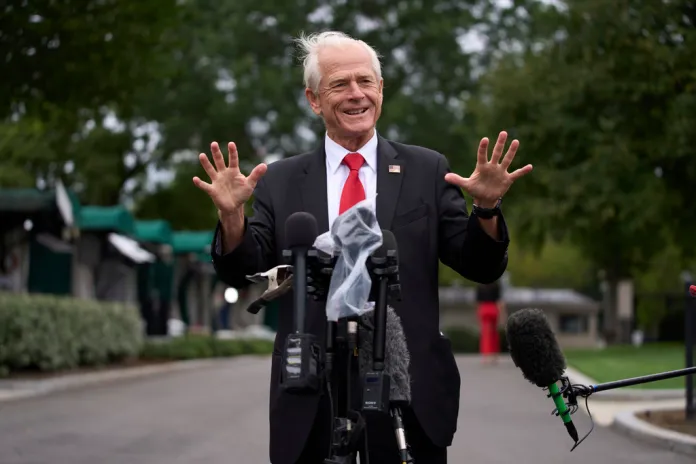
President Donald Trump‘s former trade adviser Peter Navarro is pressing ahead with a challenge to his criminal contempt of Congress conviction even though the Trump administration has abandoned the government’s defense of the case, arguing the appeal could establish a lasting precedent on executive privilege.
The renewed legal push comes with new counsel. Abhishek Kambli, […]
Original source:
Read at Washington ExaminerHow We See It
New Republican Times Editorial Board
Peter Navarro spent four months in prison for refusing to comply with a congressional subpoena tied to the January 6th committee. Now he's fighting on with his conviction even after the Trump administration's own Justice Department dropped its defense of the case. That's an odd position for the government to be in, and it tells you something about how messy this whole executive privilege fight actually is.
Navarro's argument isn't really about clearing his name at this point. He's said outright he wants "precedent for years to come," which means he's using his own prosecution as a vehicle to settle a bigger constitutional question: how far can a sitting president's privilege claims shield an aide who never got a formal invocation of that privilege in writing? That's a real gap in the law. Congress can subpoena, presidents can claim privilege, and staff can end up in the crossfire without clear rules for how that dispute gets resolved before someone goes to prison over it.
We're not going to pretend Navarro was some innocent bystander. He made a strategic choice to stonewall the committee rather than litigate the privilege claim properly, and that choice cost him. But the case exposes something worth fixing regardless of what you think of January 6th or of Navarro personally. If a president's advisers can be jailed for contempt without a clean process for testing privilege claims in court first, that's a problem for every future administration, not just this one.
Whether the appeals court wants to use Navarro's case as the vehicle for that fix is a separate question. The Justice Department walking away suggests even Trump's own lawyers see this as a loser or a distraction. Navarro pressing forward anyway, on principle, is at least honest about what he's doing. That's more than you can say for a lot of legal fights dressed up as something other than what they are.
Commentary written with AI assistance by the New Republican Times Editorial Board.