

PolitiFact: Could pressure on Cuba, Raúl Castro indictment backfire?
This story raises questions about governance, accountability, and American values.
PolitiFact frames tougher pressure on Cuba and even a Raúl Castro indictment as a risk to be managed, as if the real problem is Washington’s “tone” rather than Havana’s repression. That’s a familiar instinct in mainstream coverage: treat dictatorships as brittle weather systems we must tiptoe around. What gets lost is that the current humanitarian crisis is not an accident of sanctions but the predictable outcome of a closed, corrupt state.
New Republican Times Editorial Board
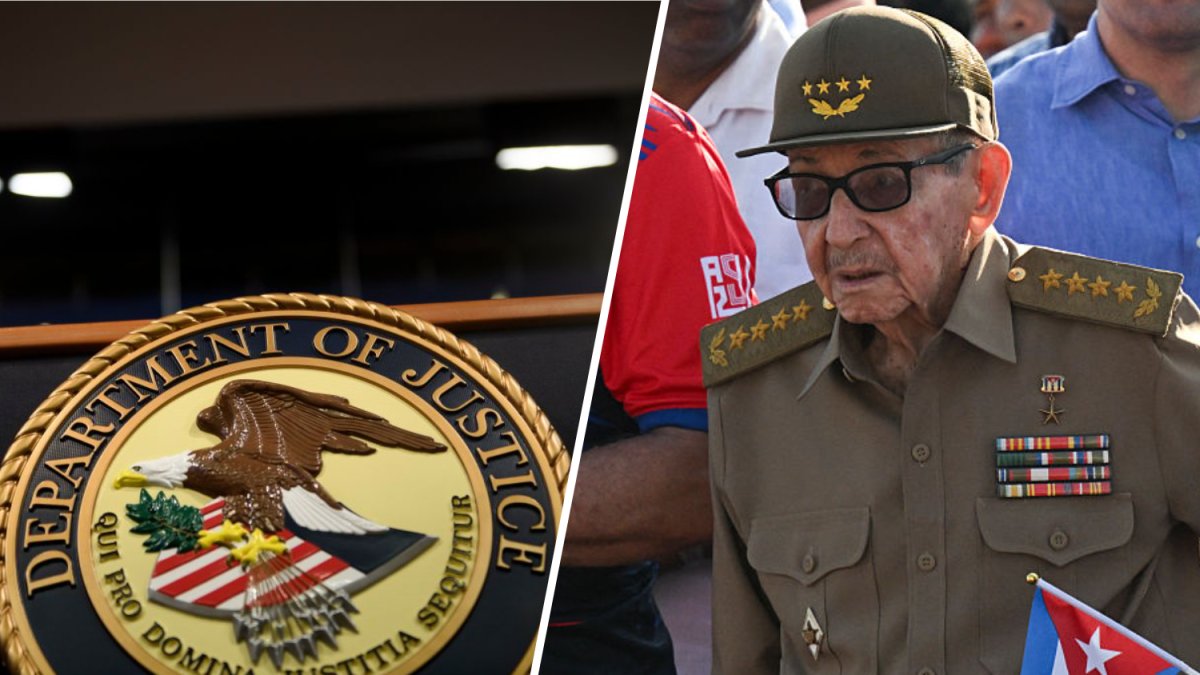
The biggest direct impact from an intensifying humanitarian crisis, experts said, would be instability or state collapse leading to mass emigration.
Original source:
Read at NBC 6 South FloridaHow We See It
New Republican Times Editorial Board
PolitiFact frames tougher pressure on Cuba and even a Raúl Castro indictment as a risk to be managed, as if the real problem is Washington’s “tone” rather than Havana’s repression. That’s a familiar instinct in mainstream coverage: treat dictatorships as brittle weather systems we must tiptoe around.
What gets lost is that the current humanitarian crisis is not an accident of sanctions but the predictable outcome of a closed, corrupt state. If instability triggers migration, the answer is not to subsidize the regime’s survival. It is to pair pressure with a plan, including targeted penalties, support for independent civil society, and clear consequences for trafficking and coerced labor.
A credible indictment is not “provocation.” It is rule of law, and it matters for public trust when the U.S. excuses abuses out of fear of headlines. The principle at stake is simple: tyranny should not be rewarded because it threatens to export the chaos it created.
Commentary written with AI assistance by the New Republican Times Editorial Board.