

Proposed 30% H-1B Wage Hike Leaves Indian Professionals Facing Fresh Uncertainty
This story raises questions about governance, accountability, and American values.
The coverage treats this proposed 30 percent H-1B wage hike mainly as an anxiety story for Indian professionals, as if the central question is how much uncertainty the system can absorb. That framing skips the more important issue: whether the program still serves the American labor market it was created to supplement. If employers truly cannot find qualified workers here, paying a higher wage floor should not be a crisis.
New Republican Times Editorial Board
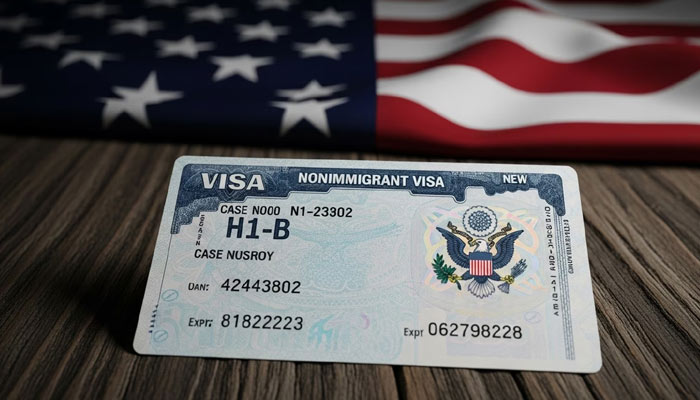
The US administration has proposed a significant overhaul of its skilled immigration rules, recommending a roughly 30% increase in the minimum wage requirements for companies hiring foreign workers under the H-1B visa programme.
The move, led by the Department of Labour (DOL), is aimed at strengthening wage protections and ensuring that foreign hiring does not [...]
Original source:
Read at NewsageHow We See It
New Republican Times Editorial Board
The coverage treats this proposed 30 percent H-1B wage hike mainly as an anxiety story for Indian professionals, as if the central question is how much uncertainty the system can absorb. That framing skips the more important issue: whether the program still serves the American labor market it was created to supplement.
If employers truly cannot find qualified workers here, paying a higher wage floor should not be a crisis. It is a stress test. When a business model depends on cheaper imported labor, it is fair to ask whether the H-1B pipeline is being used as a workaround rather than a last resort.
A serious reform should tighten enforcement and transparency, not just adjust numbers. Fair wages for American workers, program integrity, rule of law, and public trust are the real stakes.
The goal is not to punish talented people, but to ensure skilled immigration supports the country’s needs, not corporate convenience.
Commentary written with AI assistance by the New Republican Times Editorial Board.