

Reporter's Notebook: Why Fauci's 111 Fifth Amendment pleas could end up before the courts
Constitutional questions test judicial philosophy as Americans debate the role of unelected judges.
Anthony Fauci pleading the Fifth 111 times in one sitting is the kind of number that sounds made up until you remember whose deposition it was. This isn't a guy dodging one awkward question about gain-of-function funding. This is a man who spent years on television telling the country he was the science, refusing to answer basic questions about his own conduct under oath.
New Republican Times Editorial Board
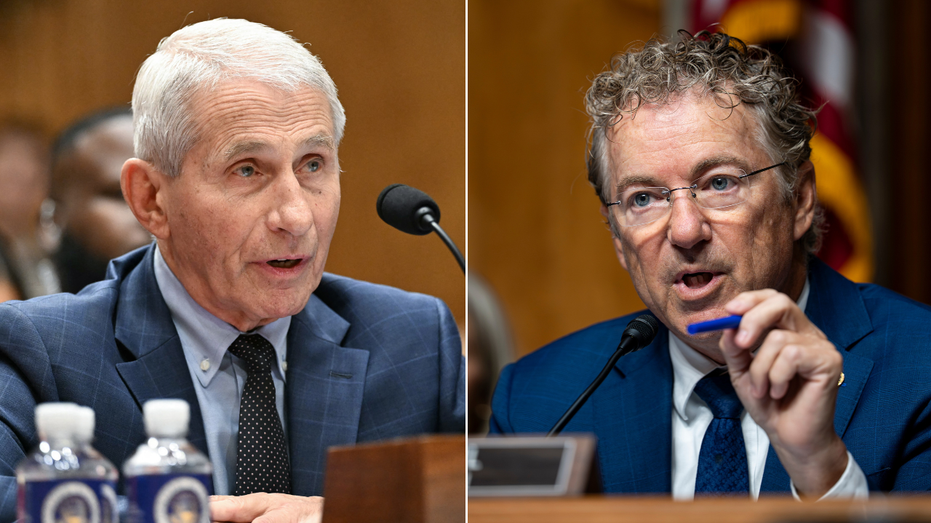
Anthony Fauci's Fifth Amendment invocations drew parallels to Lois Lerner's case, raising questions about whether Trump's DOJ will prosecute.
Original source:
Read at Fox NewsHow We See It
New Republican Times Editorial Board
Anthony Fauci pleading the Fifth 111 times in one sitting is the kind of number that sounds made up until you remember whose deposition it was. This isn't a guy dodging one awkward question about gain-of-function funding. This is a man who spent years on television telling the country he was the science, refusing to answer basic questions about his own conduct under oath. That contrast is the whole story.
The Lois Lerner comparison is doing real work here, and not just for shock value. Lerner also invoked the Fifth over and over during the IRS targeting scandal, and conservatives watched the Obama DOJ let it evaporate into nothing. No charges, no real accountability, just a slow fade from the news cycle once the cameras moved on. The fear now is obvious: does Fauci get the same soft landing because prosecuting him is politically messy, or because the machinery of Washington protects its own regardless of who's technically in charge of the DOJ?
Pleading the Fifth is a right, nobody's arguing that away. But rights come with consequences, and one of them is that it looks exactly like what it looks like. A public servant who spent a pandemic issuing mandates and shutting down debate now can't answer questions about his own decisions without risking self-incrimination. That's not a gotcha. That's just what happened.
Whether this actually reaches a courtroom will tell us something real about whether this DOJ operates any differently than the last one, or whether "no one is above the law" is still just a line people say before deciding, once again, that someone is.
Commentary written with AI assistance by the New Republican Times Editorial Board.