

Republican survives primary on Tim Walz's old congressional turf as Dems eye seat flip
Conservative principles face implementation challenges as policy meets political complexity.
Brad Finstad won a primary he was always going to win, and the headline writers are treating it like suspense when the real story is what comes after. This is Tim Walz's old seat, which tells you everything about why national Democrats suddenly care about a southern Minnesota district that spent decades being politically boring. It's not boring anymore because the governor's chair has a national target on it, and every square inch of his former turf gets re-examined for signs of vulnerability.
New Republican Times Editorial Board
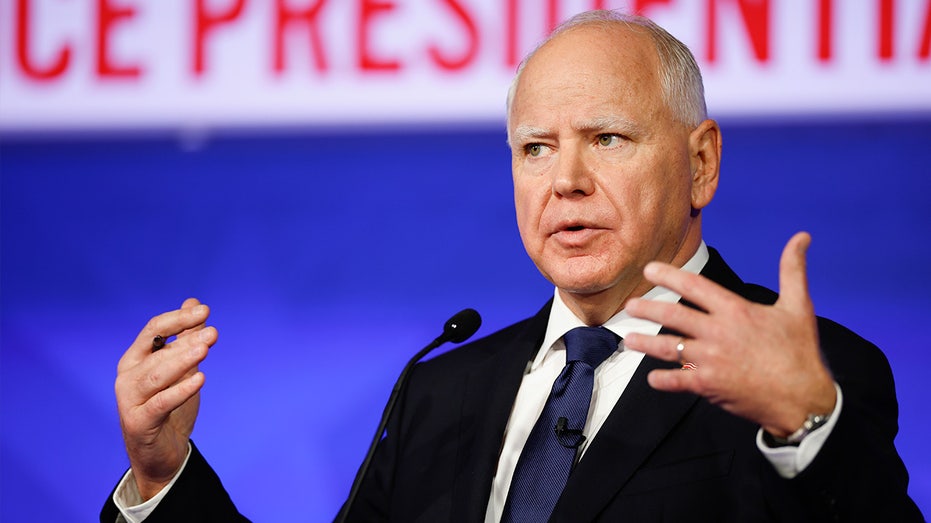
Brad Finstad faced challengers Gregory Goetzman and Oliver Morlan in the Minnesota 1st Congressional District Republican primary on Tuesday.
Original source:
Read at Fox NewsHow We See It
New Republican Times Editorial Board
Brad Finstad won a primary he was always going to win, and the headline writers are treating it like suspense when the real story is what comes after. This is Tim Walz's old seat, which tells you everything about why national Democrats suddenly care about a southern Minnesota district that spent decades being politically boring. It's not boring anymore because the governor's chair has a national target on it, and every square inch of his former turf gets re-examined for signs of vulnerability.
Finstad beating Goetzman and Morlan isn't nothing, but let's not pretend it settles anything. Primaries against lesser-known challengers are supposed to be won comfortably by the incumbent. The actual test is November, in a district that's rural, ag-heavy, and has trended Republican for good reason: people out there are tired of being governed by St. Paul's priorities instead of their own. Democrats are eyeing this seat because they think a Walz-adjacent map narrative helps them nationalize a local race. That's a bet on nostalgia, not on what Finstad has actually delivered or failed to deliver for farmers and small towns since he got to Washington.
The bigger tell here is what the coverage doesn't say. No mention of turnout numbers, no real accounting of what separated Finstad from his challengers on substance. That's a sign this piece exists to set up a storyline, not to inform anyone about the district. Fine. But readers in the 1st deserve better than being used as a proxy battle for somebody else's gubernatorial mythology.
If Democrats want this seat, they'll have to win an actual argument about farm policy, energy costs, and rural hospitals closing, not just point at a map and say "Walz used to represent this." Voters here have shown they can tell the difference.
Commentary written with AI assistance by the New Republican Times Editorial Board.