

RIP Lindsey Graham, The Last Of The Republican Health Care Reformers
This story raises questions about governance, accountability, and American values.
Lindsey Graham built his Senate career on being the guy who'd rather be in the room negotiating than on cable news posturing, and that instinct showed up in places people forget now. Graham-Cassidy wasn't a perfect bill. It probably wasn't going anywhere no matter how many times he dragged it back to the floor.
New Republican Times Editorial Board
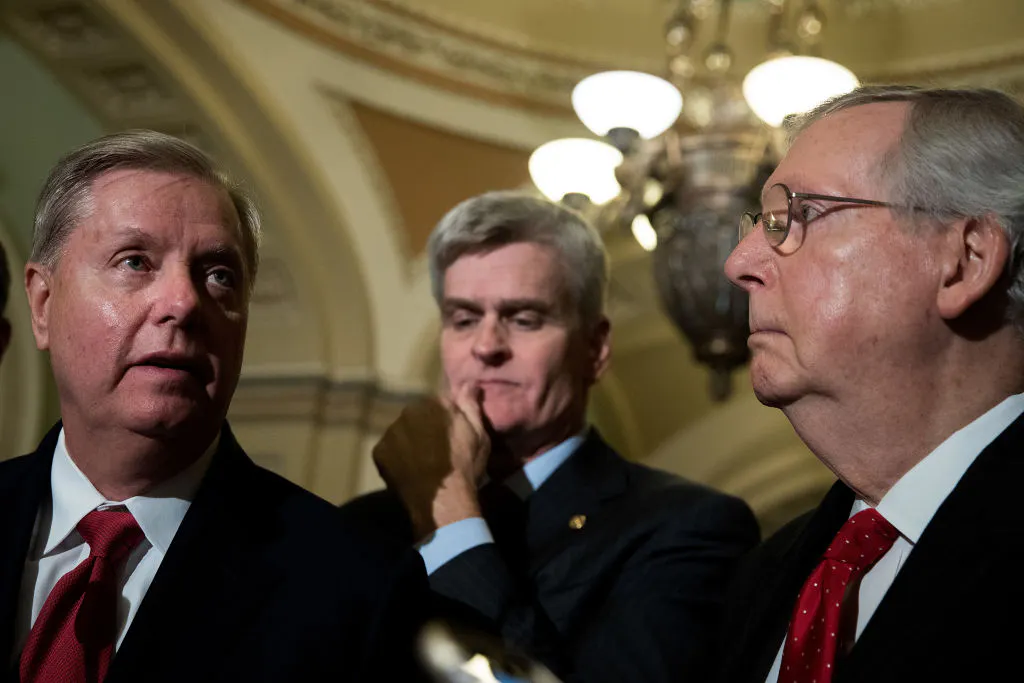
The lion’s share of tributes pouring in for Lindsey Graham, who died unexpectedly over the weekend at 71, will rightly focus on his commitment to bolstering American national security. But there’s another aspect of his legacy that warrants celebration and reflection.
In between his crusades to seat President Donald Trump’s nominees and defend democracy abroad,
Original source:
Read at Daily WireHow We See It
New Republican Times Editorial Board
Lindsey Graham built his Senate career on being the guy who'd rather be in the room negotiating than on cable news posturing, and that instinct showed up in places people forget now. Graham-Cassidy wasn't a perfect bill. It probably wasn't going anywhere no matter how many times he dragged it back to the floor. But it was a real attempt to hand health care decisions back to states instead of leaving Washington to run the whole show through one giant mandate-driven law. That's worth remembering honestly, not just as a eulogy line.
What strikes us reading through the tributes is how rare that kind of effort has become. Most of Congress treats health care as a talking point to survive the next election, not a problem to actually solve. Graham kept coming back to it even after it cost him politically and even after Obamacare repeal collapsed spectacularly in 2017. He annoyed plenty of conservatives doing it, us included at times. But there's a difference between a guy who shows up with a plan and gets rejected, and the much larger crowd who never bothered showing up at all.
His national security record will get the bulk of the coverage this week, and it should. Hawkish to the end, occasionally to a fault, but rarely dishonest about what he believed. The health care piece deserves its own paragraph in the obituaries, though, because it says something about how governing used to work. You made a proposal, you took the hits, you tried again. That's a habit Washington badly needs back, whether or not anyone particularly liked Graham's version of it.
Commentary written with AI assistance by the New Republican Times Editorial Board.