

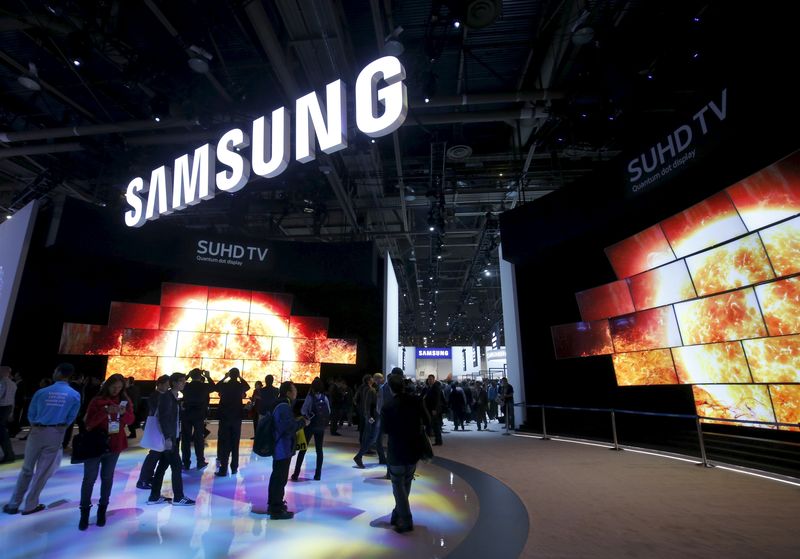
Samsung hits $1 trln valuation on AI memory boom
This story raises questions about governance, accountability, and American values.
The coverage of Samsung’s $1 trillion milestone reads like a victory lap for globalization and “smart industrial policy,” as if markets simply reward whoever rides the next AI wave. But that framing skips the uncomfortable question: who controls the supply chains that make that boom possible, and who bears the risk when they break. Conservatives aren’t anti-innovation.
New Republican Times Editorial Board
This article's full content is not available in our system.
Please click the button below to read the complete story at the original source.
Original source:
Read at Investing USHow We See It
New Republican Times Editorial Board
The coverage of Samsung’s $1 trillion milestone reads like a victory lap for globalization and “smart industrial policy,” as if markets simply reward whoever rides the next AI wave. But that framing skips the uncomfortable question: who controls the supply chains that make that boom possible, and who bears the risk when they break.
Conservatives aren’t anti-innovation. We’re wary of treating strategic technology like just another ticker symbol. Advanced memory sits close to national security, and the AI boom will magnify pressure points from energy to rare earths to export controls. If the U.S. cheers valuations while outsourcing capacity, we’re applauding a future we do not fully control.
The right approach is industrial resilience, not corporate favoritism: predictable rules, faster permitting, and investment that rewards production on trusted soil. Public trust depends on knowing critical infrastructure is secure, not merely profitable.
At stake is institutional stability: a rules-based system that protects innovation without surrendering leverage in the technologies that will shape the next decade.
Commentary written with AI assistance by the New Republican Times Editorial Board.