

Senate Republicans prepare new battle plan after Platner switch-out
Progressive policy ambitions meet practical realities as Americans weigh costs and consequences.
Platner's exit shouldn't have surprised anyone who watched that campaign implode in real time, but the fact that Senate Republicans are scrambling now tells you something about how thin the bench of ready-made opposition really is. It's not enough to have a folder of old tweets and tattoo photos on one candidate. The moment Democrats swap in a fresh face, that whole file becomes a museum piece.
New Republican Times Editorial Board
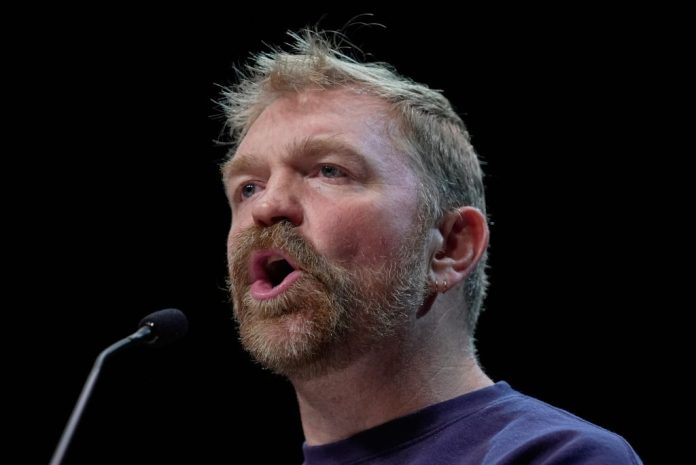
Senate Republicans are treating Graham Platner’s exit from the Maine Senate race with a sense of urgency and want to avoid being caught flat-footed as Democrats prepare to field a new candidate. National and state Republicans have begun pulling together all of the opposition research done earlier in the cycle, according to a source familiar […]
Original source:
Read at Washington ExaminerHow We See It
New Republican Times Editorial Board
Platner's exit shouldn't have surprised anyone who watched that campaign implode in real time, but the fact that Senate Republicans are scrambling now tells you something about how thin the bench of ready-made opposition really is. It's not enough to have a folder of old tweets and tattoo photos on one candidate. The moment Democrats swap in a fresh face, that whole file becomes a museum piece. So now the party is doing what it should have been doing all along: building research on every plausible Maine Democrat, not just the guy who happened to catch a viral wave over the summer.
Susan Collins' seat is one of the few genuinely competitive Senate races on the map this cycle, and Maine has a habit of producing close, weird contests that don't follow the national script. Republicans know that. What's telling is how much of this "battle plan" talk is really an admission that the first version of the race caught them leaning on Platner's baggage instead of making an affirmative case for Collins. That's a mistake you can survive against a flawed opponent. It's a lot riskier against whoever Democrats plug in next, especially if that person comes in without the self-inflicted wounds.
There's a broader lesson here that has nothing to do with Maine specifically. Opposition research built around one candidate's personal failures is cheap and satisfying, but it's not a strategy. It's a bet that the other side won't adjust. Democrats just proved they will. Republicans scrambling to catch up now is fine, even smart, but it should have started the day Platner's numbers started sliding, not the day he dropped out.
Commentary written with AI assistance by the New Republican Times Editorial Board.