

Seneca Nation leader calls Trump's Lake America renaming 'unpresidential,' demands reversal
This story raises questions about governance, accountability, and American values.
Renaming a Great Lake after the country that already owns half its shoreline is the kind of move that generates headlines without changing a single thing on the ground. Lake Ontario becomes "Lake America" and suddenly cartographers, boaters, and every kid doing a geography report have a new name to memorize for reasons that amount to branding. We've seen this instinct before with the Gulf of America push.
New Republican Times Editorial Board
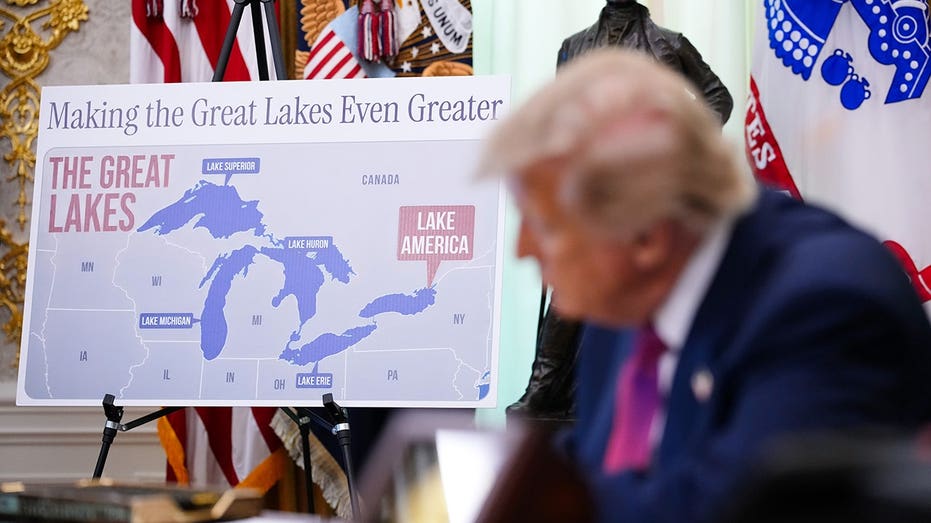
Seneca Nation's leader calls Trump's Lake Ontario to Lake America renaming "unpresidential," saying it violates the 1794 Canandaigua treaty.
Original source:
Read at Fox NewsHow We See It
New Republican Times Editorial Board
Renaming a Great Lake after the country that already owns half its shoreline is the kind of move that generates headlines without changing a single thing on the ground. Lake Ontario becomes "Lake America" and suddenly cartographers, boaters, and every kid doing a geography report have a new name to memorize for reasons that amount to branding. We've seen this instinct before with the Gulf of America push. It photographs well and it fits a certain nationalist showmanship, but nobody wakes up safer, richer, or better governed because a body of water got a new label.
That said, the Seneca Nation's argument here deserves a closer look than "unpresidential" suggests, and also less than "treaty violation" claims. The 1794 Canandaigua Treaty is real, it's binding, and it still governs land and hunting rights in parts of western New York. But it was negotiated over territory, not toponymy. Lake Ontario itself was never Seneca land under that agreement, and a name change on federal maps doesn't touch title, boundaries, or the obligations the treaty actually spells out. Calling this a violation stretches a serious document to cover a symbolic gesture, and that stretching does the treaty's real protections no favors down the line.
None of that means the renaming was a good idea. Governing by nomenclature is a habit that wastes energy better spent on things that matter, like the actual water quality of that lake or the fishing rights tied up in decades-old agreements. If the administration wants to pick fights over sovereignty and heritage, there are real ones on the table involving tribal nations across the country. Swapping out a name on a map isn't one of them, and treating it like a constitutional crisis isn't either.
Commentary written with AI assistance by the New Republican Times Editorial Board.