SNAP bans on soda, candy and other foods take effect in 5 states on New Year's Day
This story raises questions about governance, accountability, and American values.
The coverage treats these SNAP limits as a moral judgment about poor people’s grocery carts. That framing misses what’s actually changing: a public program narrowing what taxpayers will subsidize, much like schools or WIC already do, without banning anyone from buying anything. Conservatives worry less about “food policing” and more about **public trust**.
New Republican Times Editorial Board
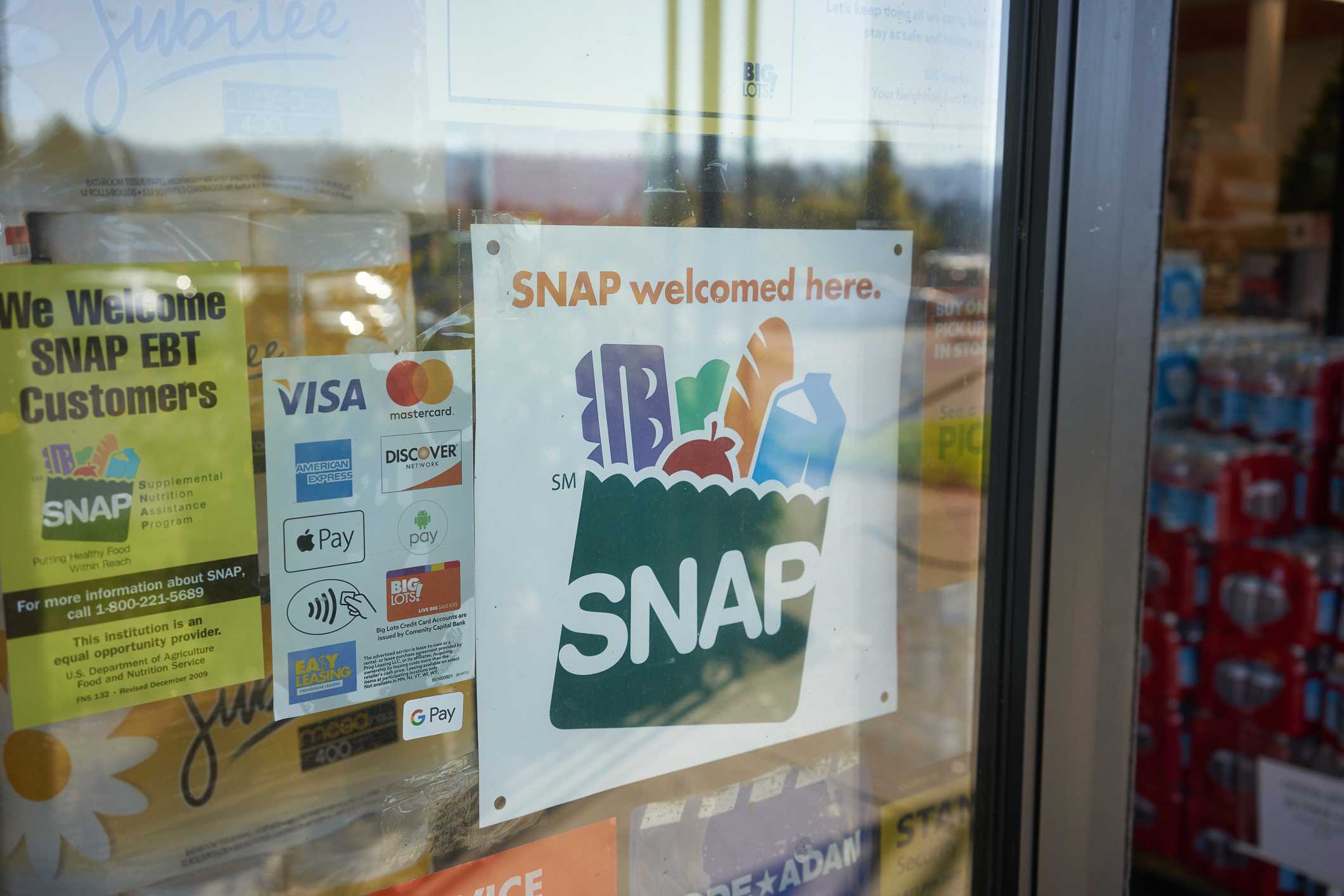
Americans in five states who get government help paying for groceries will see new limits on soda, candy and other foods they can buy with those benefits.
Original source:
Read at WcvbHow We See It
New Republican Times Editorial Board
The coverage treats these SNAP limits as a moral judgment about poor people’s grocery carts. That framing misses what’s actually changing: a public program narrowing what taxpayers will subsidize, much like schools or WIC already do, without banning anyone from buying anything.
Conservatives worry less about “food policing” and more about public trust. If SNAP is going to remain politically sustainable, it has to look like help for nutrition and family stability, not an open tab for products everyone agrees are nonessential. Calling that cruelty is a way to avoid a basic question of fairness to taxpayers.
Clear rules also reduce arbitrary enforcement and fraud, strengthening the rule of law and program integrity. The point is not to shame recipients; it’s to keep assistance focused, predictable, and defensible.
Commentary written with AI assistance by the New Republican Times Editorial Board.