

Sophie Cunningham speaks out against DiJonai Carrington after flagrant foul and 'White privilege' post
This story raises questions about governance, accountability, and American values.
Sophie Cunningham gets hammered with a hard, deliberate foul, says so plainly, and now she's the villain of the story because DiJonai Carrington's camp decided to make it about race instead of about the play itself. That's the part worth sitting with. Nobody forced anyone to bring "white privilege" into a conversation about a flagrant foul call.
New Republican Times Editorial Board
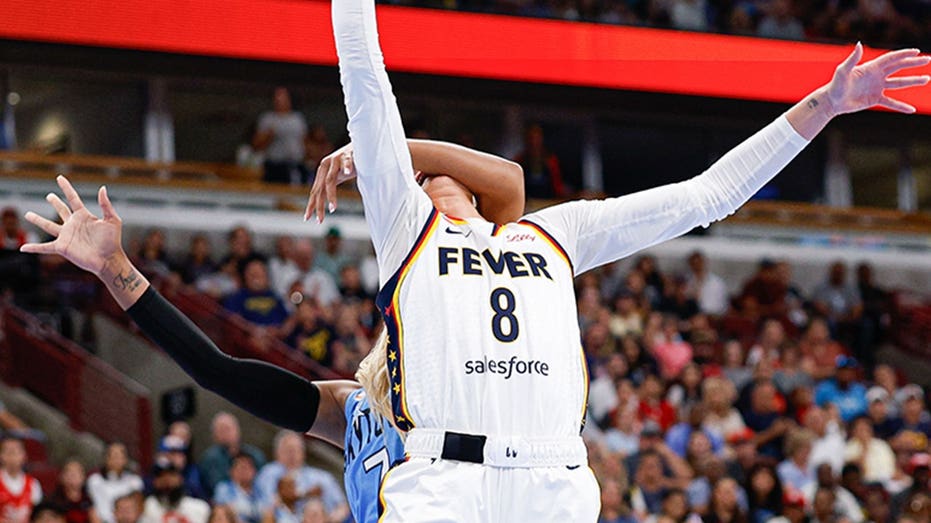
Sophie Cunningham called DiJonai Carrington's flagrant foul "intentional" and accused the Chicago Sky star of craving attention after the Fever's win.
Original source:
Read at Fox NewsHow We See It
New Republican Times Editorial Board
Sophie Cunningham gets hammered with a hard, deliberate foul, says so plainly, and now she's the villain of the story because DiJonai Carrington's camp decided to make it about race instead of about the play itself. That's the part worth sitting with. Nobody forced anyone to bring "white privilege" into a conversation about a flagrant foul call. That framing was a choice, and it's a telling one.
This is where a lot of sports coverage loses the thread. A player calls out a dirty play, using ordinary basketball language, and suddenly she's accused of something far bigger and uglier than what she actually said. Cunningham didn't say anything about race. She said the foul looked intentional and that Carrington seemed to want the spotlight. Those are basketball opinions, the kind players have traded for decades. Turning that into a referendum on privilege doesn't clarify anything, it just raises the temperature and makes an honest conversation about physical play nearly impossible.
We've watched this pattern before, in sports and well beyond it. Someone gives a direct, unvarnished take, and instead of engaging with what was actually said, critics reach for a bigger, scarier label because it's easier to fight a symbol than an argument. That's a shortcut, not an insight, and it teaches athletes the wrong lesson: stay vague, stay careful, never call a foul a foul if the player who committed it doesn't share your background.
The WNBA has real momentum right now, genuine rivalries, real intensity, players who aren't afraid to talk. That's good for the league. But it only works if criticism gets judged on the merits, not run through a filter that assumes the worst possible motive. Cunningham said what she saw. If people disagree with her read on the play, fine, argue the play. Skip the rest.
Commentary written with AI assistance by the New Republican Times Editorial Board.