

Starbucks to close 250 stores: 'Difficult decision'
This story raises questions about governance, accountability, and American values.
When the CEO of a company says closing 250 locations is a “difficult decision,” what they usually mean is that they’ve spent years ignoring the obvious. Starbucks is learning that lesson the hard way. The coffee giant isn’t just trimming the fat; they are admitting that a significant portion of their real estate footprint doesn't work anymore.
New Republican Times Editorial Board
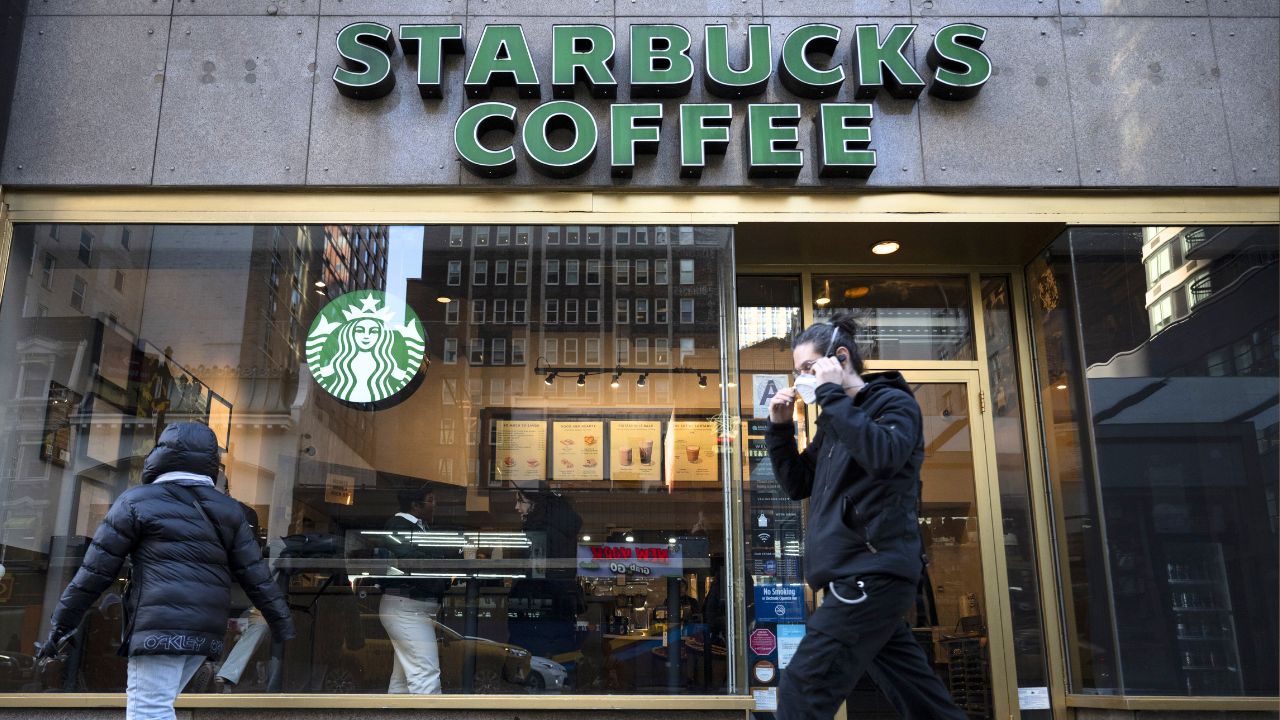
Starbucks COO Mike Grams revealed plans to shutter about 250 coffeehouses across North America, citing struggles with financial performance.
Original source:
Read at Fox BusinessHow We See It
New Republican Times Editorial Board
When the CEO of a company says closing 250 locations is a “difficult decision,” what they usually mean is that they’ve spent years ignoring the obvious. Starbucks is learning that lesson the hard way. The coffee giant isn’t just trimming the fat; they are admitting that a significant portion of their real estate footprint doesn't work anymore. That isn't a rounding error—it’s a strategic retreat from a bloated business model.
The company line blames "financial performance," which is corporate speak for a much simpler truth: people are tired of paying eight dollars for a lukewarm latte while waiting in a line that wraps around the store. In an era of tight household budgets, the "third place" is a luxury, not a necessity. Working families are looking at their monthly statements and realizing that a daily trip to Starbucks is a line item they can cut. When you couple that with the cost of labor and goods going up, the math gets ugly fast. They have no one to blame but themselves for pricing themselves out of the average American's routine.
What we are witnessing is the end of the "experience economy" that the left has been propping up for a decade. Consumers are getting smarter. They are rejecting the idea that a cup of coffee should cost more than a gallon of gas. If Starbucks wants to survive, they need to ditch the progressive posturing and get back to basics: a decent product at a fair price. We hope this is a wake-up call for the rest of corporate America—the customer is not an ATM, and the free market is unforgiving to those who forget it.
Commentary written with AI assistance by the New Republican Times Editorial Board.