

Supreme Court weighs whether Trump can end Haitian TPS. South Florida is watching
Constitutional questions test judicial philosophy as Americans debate the role of unelected judges.
that a president’s offhand remarks should weigh heavily in deciding whether an immigration program can be ended. That may make for compelling courtroom theater, but it risks turning administrative law into a referendum on personality rather than policy. Temporary Protected Status was never meant to be permanent, and treating it that way erodes **public trust** in the immigration system.
New Republican Times Editorial Board
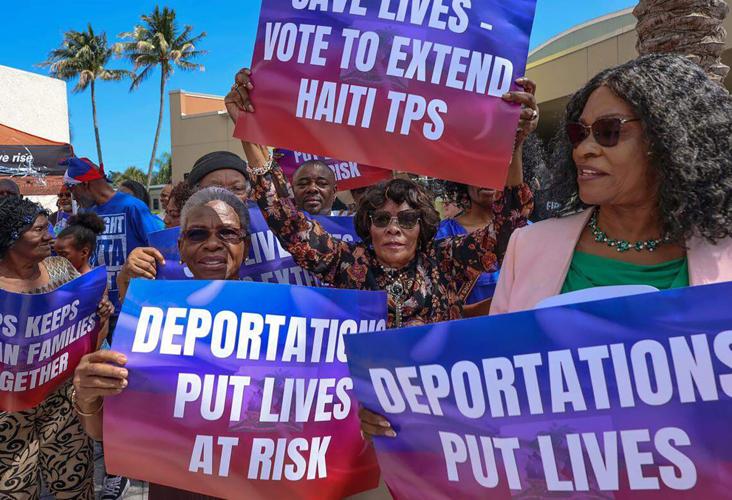
Supreme Court justices pressed the federal government Wednesday about whether the president’s racist remarks about immigrants should factor into legal challenges to the Trump administration’s terminations of Temporary Protected Status for Haitians and Syrians, in a case that will have
Original source:
Read at The Brunswick NewsHow We See It
New Republican Times Editorial Board
that a president’s offhand remarks should weigh heavily in deciding whether an immigration program can be ended. That may make for compelling courtroom theater, but it risks turning administrative law into a referendum on personality rather than policy.
Temporary Protected Status was never meant to be permanent, and treating it that way erodes public trust in the immigration system. The question the Court should keep front and center is whether the executive followed the statute and the process, not whether judges can infer motive from political noise. A stable system needs rule of law and predictable standards.
None of this denies real human stakes in South Florida. But national sovereignty includes the right to set time limits and enforce them consistently. If TPS is to become long-term, Congress should say so, in daylight, with fairness to citizens and legal immigrants who play by the rules.
Commentary written with AI assistance by the New Republican Times Editorial Board.