

Surface transportation bill approved by House committee
This story raises questions about governance, accountability, and American values.
The coverage treats the House committee’s surface transportation bill like a nostalgic echo of Eisenhower, with the usual assumption that bigger federal action is automatically better. That’s an easy story to tell, but it skips the harder questions: what exactly gets built, how it’s paid for, and whether it reflects how Americans actually move and work today. Conservatives are not anti-infrastructure.
New Republican Times Editorial Board
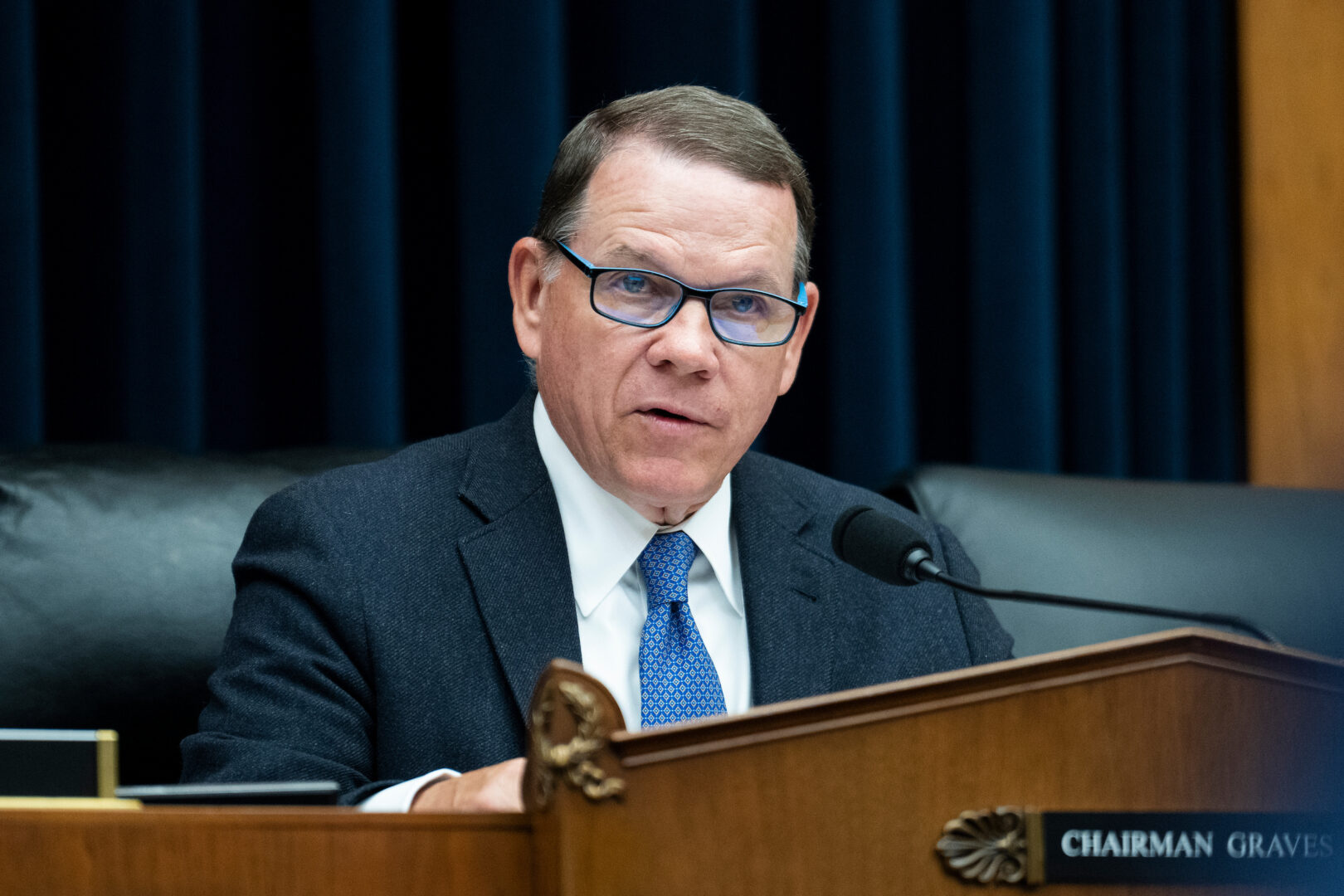
"I think this is the most important surface transportation bill since President Eisenhower built the interstate system," said House Transportation and Infrastructure Chairman Sam Graves, R-Mo. (Tom Williams/CQ Roll Call file photo)
Original source:
Read at Roll CallHow We See It
New Republican Times Editorial Board
The coverage treats the House committee’s surface transportation bill like a nostalgic echo of Eisenhower, with the usual assumption that bigger federal action is automatically better. That’s an easy story to tell, but it skips the harder questions: what exactly gets built, how it’s paid for, and whether it reflects how Americans actually move and work today.
Conservatives are not anti-infrastructure. We are pro-results. A serious bill should respect taxpayer value, cut permitting delays, and stop turning roads and bridges into vehicles for unrelated social planning. If Washington is going to collect the gas tax and borrow on top of it, it owes the public more than ribbon cuttings.
Transportation is also about national cohesion and public trust. The principle at stake is simple: build what’s needed, enforce accountability, and keep the federal role focused on what only the federal government can do.
Commentary written with AI assistance by the New Republican Times Editorial Board.