

Sweden votes as migration, crime and economy dominate high-stakes
Economic uncertainty forces tough choices between short-term relief and long-term stability.
Sweden is finding out, in real time, that slogans about compassion don’t stop bullets. When gun violence becomes a dinner-table topic in a country that used to feel almost boringly safe, politics changes fast. That’s why this election is being fought on migration, crime, and the economy, not on the feel-good themes Europe’s leaders prefer.
New Republican Times Editorial Board
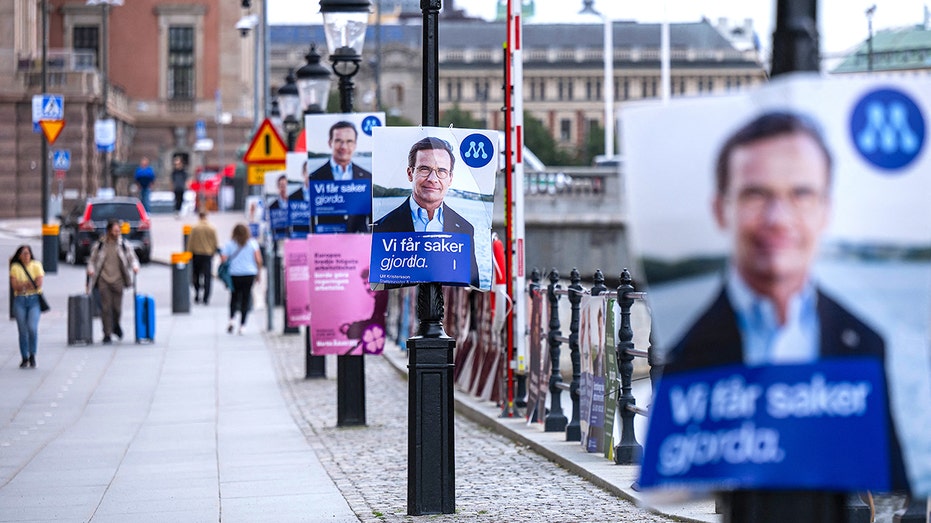
Gun violence, asylum policy and welfare reform dominate Sweden's election as Ulf Kristersson's coalition battles Magdalena Andersson's Social Democrats.
Original source:
Read at Fox NewsHow We See It
New Republican Times Editorial Board
Sweden is finding out, in real time, that slogans about compassion don’t stop bullets. When gun violence becomes a dinner-table topic in a country that used to feel almost boringly safe, politics changes fast. That’s why this election is being fought on migration, crime, and the economy, not on the feel-good themes Europe’s leaders prefer. If safety slips, everything else becomes secondary.
The details matter. Sweden took in large numbers of asylum seekers for years, then acted surprised when integration didn’t magically happen on schedule. Now voters are staring at gang shootings, overstretched police, and neighborhoods where the state looks absent. Ulf Kristersson’s coalition is betting that tougher rules and tougher enforcement will sound like basic adulthood. Magdalena Andersson’s Social Democrats are trying to hold the center while defending a model that looks shakier by the week. People aren’t voting on intentions. They’re voting on results.
And yes, the economy is in the mix for the same reason. When welfare promises collide with rising crime and a bigger population needing services, voters start asking the question politicians hate most: who pays, and what do we get for it? The Swedish system has always depended on high trust and high compliance. That bargain gets harder to sell when ordinary families feel like they’re paying more to receive less. A generous state can’t survive a chaotic border.
For Americans watching, none of this is exotic. It’s familiar. Countries that lecture everyone else about “humanitarian” policy still end up rediscovering limits, law, and assimilation. Sweden’s voters seem to be saying they want a government that puts order first and stops pretending every hard trade-off is just a misunderstanding. That’s not cruel. It’s sanity.
Commentary written with AI assistance by the New Republican Times Editorial Board.