

The Data That Shows How Fauci Broke Bad
This story raises questions about governance, accountability, and American values.
Fauci and his colleagues privately entertained the lab-leak theory in the earliest days, then watched it get memory-holed as "misinformation" almost overnight. That's not a hindsight problem. That's a paper trail.
New Republican Times Editorial Board
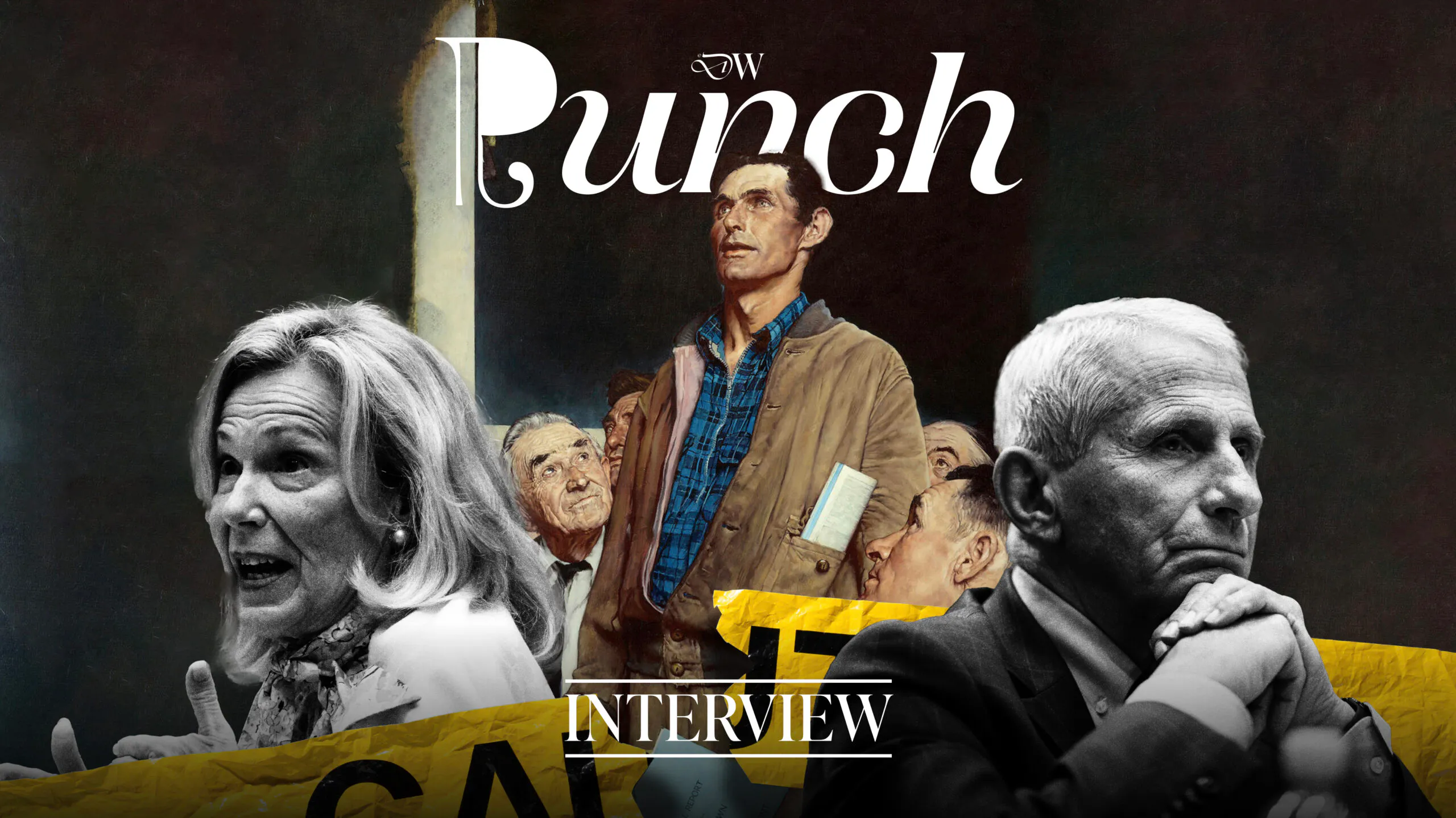
In the very early days of the COVID-19 outbreak, panic, confusion, and lack of concrete information sent Americans into the realm of the unknown. In many ways, we have been left with loss, anger, and a deep distrust of public health officials – epitomized by the recent hearings held by the Senate Committee on Homeland
Original source:
Read at Daily WireHow We See It
New Republican Times Editorial Board
Fauci and his colleagues privately entertained the lab-leak theory in the earliest days, then watched it get memory-holed as "misinformation" almost overnight. That's not a hindsight problem. That's a paper trail. When the people running point on the biggest public health event of our lifetimes are shown saying one thing behind closed doors and greenlighting the opposite message for public consumption, you don't need a conspiracy theory to be alarmed. You just need to read the emails.
What's striking is how mundane the mechanics were. No dramatic cover-up, just a quiet consensus among a small circle of scientists and bureaucrats that certain questions were too dangerous to let the public chew on. Six-foot distancing, mask efficacy, natural immunity, the origins question itself — each one got treated less as an open scientific debate and more as a message to be managed. That's the part that should bother people regardless of their politics. Science is supposed to work by argument and evidence, not by figuring out what the public can "handle."
We keep hearing that this is all old news, litigated to death. It isn't. The Senate hearings matter precisely because they put names, dates, and internal communications on the record instead of leaving this to op-eds and hunches. Distrust in public health didn't spring from nowhere. It grew out of officials who decided certainty was worth faking even when they didn't have it.
If there's a lesson worth banking for the next crisis, it's this: uncertainty handled honestly builds more trust than false confidence ever will. Fauci's defenders can call this a smear campaign all they like. The data says otherwise.
Commentary written with AI assistance by the New Republican Times Editorial Board.