

The Democratic establishment’s uneasy embrace of its new socialist overlords
Progressive policy ambitions meet practical realities as Americans weigh costs and consequences.
"That's called democracy, friend, right? " is one of those lines that sounds warm and folksy until you actually sit with it. Haley Stevens ran against Abdul el Sayed in a primary that got personal, lost or effectively lost the argument over what her own party should stand for, and then turned around and endorsed him within days like nothing happened.
New Republican Times Editorial Board
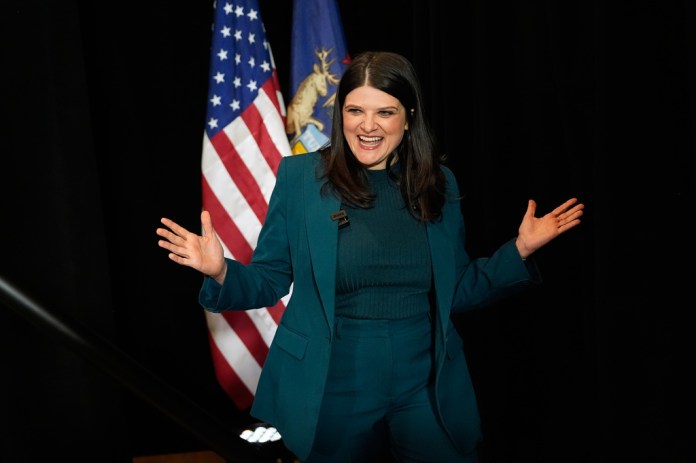
Fox News asked Rep. Haley Stevens (D-MI) why she so quickly endorsed Abdul el Sayed for Senate after their contentious primary, and she replied with a characteristically folksy defense of party loyalty. “That’s called democracy, friend, right?
You don’t sign up for a Democratic Party to be salty grapes and just continue to hold a […]
Original source:
Read at Washington ExaminerHow We See It
New Republican Times Editorial Board
"That's called democracy, friend, right?" is one of those lines that sounds warm and folksy until you actually sit with it. Haley Stevens ran against Abdul el Sayed in a primary that got personal, lost or effectively lost the argument over what her own party should stand for, and then turned around and endorsed him within days like nothing happened. Democracy usually means voters get to sort out disagreements. What we're watching instead is a party establishment absorbing a candidate it clearly distrusts because the alternative, a public fight over socialism inside the Democratic coalition, is scarier to them than governing with people who hold views they used to run against.
This isn't really about Stevens being a hypocrite, though she is being a little cute with the phrase "salty grapes." It's about what the quick, unbothered endorsement tells you. Democratic officials increasingly treat ideological distance from their own base as a PR problem to be managed rather than a real disagreement to be had out loud. Fold in the socialist, smile for the camera, call it unity. Voters who backed Stevens because she wasn't el Sayed are being told, gently, that their preference didn't really matter once the primary ended.
We'd have more respect for the honesty of it if someone in that party just said what's obviously true: the energy and the activist base have moved somewhere the old guard doesn't love, and they're going along because they need the votes. Instead we get "that's called democracy," as if closing ranks around a nominee erases the substance of what was actually argued about for months. Democrats can keep telling themselves this is normal coalition politics. Everyone else is allowed to notice it's something closer to capitulation dressed up in bumper-sticker language.
Commentary written with AI assistance by the New Republican Times Editorial Board.