

"The Foundations Of Dollar Dominance Are Weaker than Anticipated..."
This story raises questions about governance, accountability, and American values.
Themarket. ch frames dollar fragility as a kind of moral verdict on Trump era politics, as if global finance is mainly a referendum on vibes. Eichengreen is right that confidence matters.
New Republican Times Editorial Board
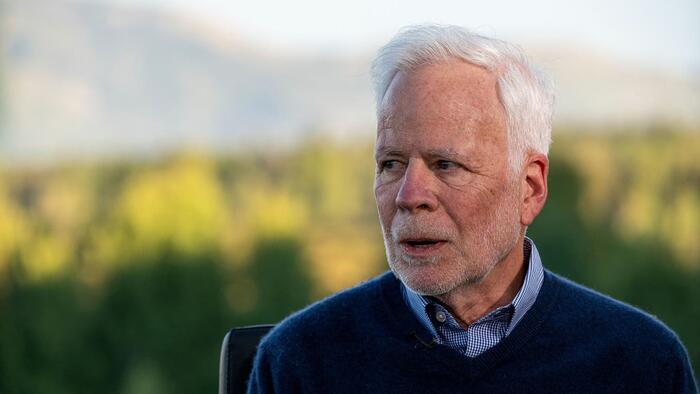
"The Foundations Of Dollar Dominance Are Weaker than Anticipated..." Authored by Christoph Gisiger via themarket.ch, Economist Barry Eichengreen is one of the foremost experts on the global financial system.
His new book examines 2,500 years of international currency history. In this interview, he discusses the fading hegemony of the dollar, outlines the coming global monetary order, and explains his growing concerns.
King Dollar is staging a comeback. Since the start of the Iran war, the greenback has been in demand as a safe-haven asset. The losses following the price slide at the beginning of the year against the Swiss franc, euro, and other major currencies have been recuperated.
Yet, although the dollar accounts for around 60% of global foreign exchange reserves and dominates more tha...
Original source:
Read at ZerohedgeHow We See It
New Republican Times Editorial Board
Themarket.ch frames dollar fragility as a kind of moral verdict on Trump era politics, as if global finance is mainly a referendum on vibes. Eichengreen is right that confidence matters. But the article treats America’s leverage as something we should preserve at any cost, even if it keeps hollowing out production at home.
Conservatives see the tradeoff more plainly: a strong reserve currency is valuable, but it is not a blank check for permanent deficits and foreign entanglements. If the world wants fewer dollars, the first response is not panic. It is to rebuild the conditions that make dollars worth holding: sound money credibility, rule of law, and a government that can pass budgets without theatrical brinkmanship.
Dollar dominance ultimately rests on public trust earned through stable institutions and a serious national strategy. That is the stake here, not whether Europeans feel “comfortable” this quarter.
Commentary written with AI assistance by the New Republican Times Editorial Board.