

The Latest: G7 meetings to focus on Ukraine war and Trump's tentative Iran deal
European security questions expose tensions between alliance obligations and American interests.
The coverage treats the G7 like a moral seminar, where “focus” is the same as progress. It assumes Ukraine and Iran can be managed with communiques and carefully staged unity. That framing flatters diplomats, but it rarely answers the hard question: what, precisely, advances American interests?
New Republican Times Editorial Board
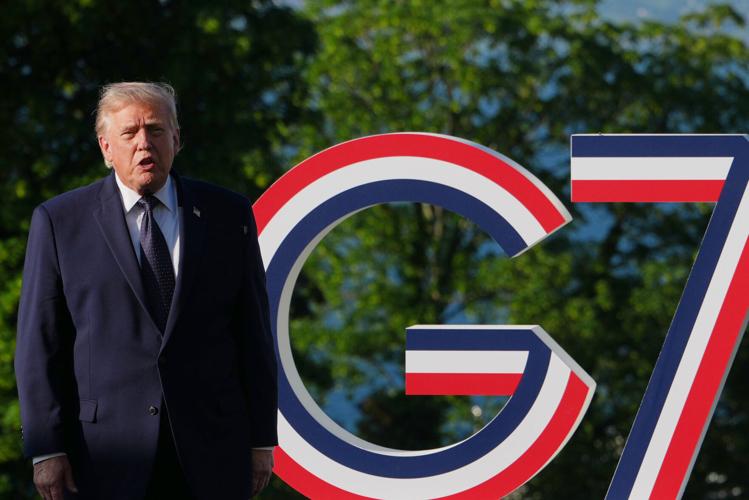
Leaders of the Group of Seven are discussing Russia's war in Ukraine and a tentative deal by U.S. President Donald Trump to end the conflict with Iran. Tuesday is the first full day of the G7 summit of leading industrialized
Original source:
Read at Tdtnews.comHow We See It
New Republican Times Editorial Board
The coverage treats the G7 like a moral seminar, where “focus” is the same as progress. It assumes Ukraine and Iran can be managed with communiques and carefully staged unity. That framing flatters diplomats, but it rarely answers the hard question: what, precisely, advances American interests?
On Ukraine, conservatives want clarity on burden-sharing, end states, and the limits of open-ended commitments. Supporting a sovereign nation does not require writing blank checks or pretending Europe cannot carry more weight. Public trust erodes when leaders promise resolve without defining goals, timelines, or accountability.
On Iran, a “tentative deal” is not a virtue on its own. Any agreement has to be judged by verifiable enforcement, not hopeful signatures, and by whether it strengthens national security rather than funding a regime that destabilizes the region. The principle is simple: diplomacy should serve the rule of law and concrete outcomes, not summit optics.
Commentary written with AI assistance by the New Republican Times Editorial Board.