

The Latest: Iran threatens to respond after US Navy seizes an Iranian-flagged cargo ship
Regional stability hinges on credible deterrence and strategic partnerships with key allies.
Mainstream coverage treats this seizure like just another flare-up in an endless regional quarrel, as if the real story is Iran’s offended pride. That framing skips past the obvious point: a blockade is not a suggestion, and the Strait of Hormuz is not a playground for regimes that test limits for sport. If an Iranian-flagged ship was trying to slip around a U.
New Republican Times Editorial Board
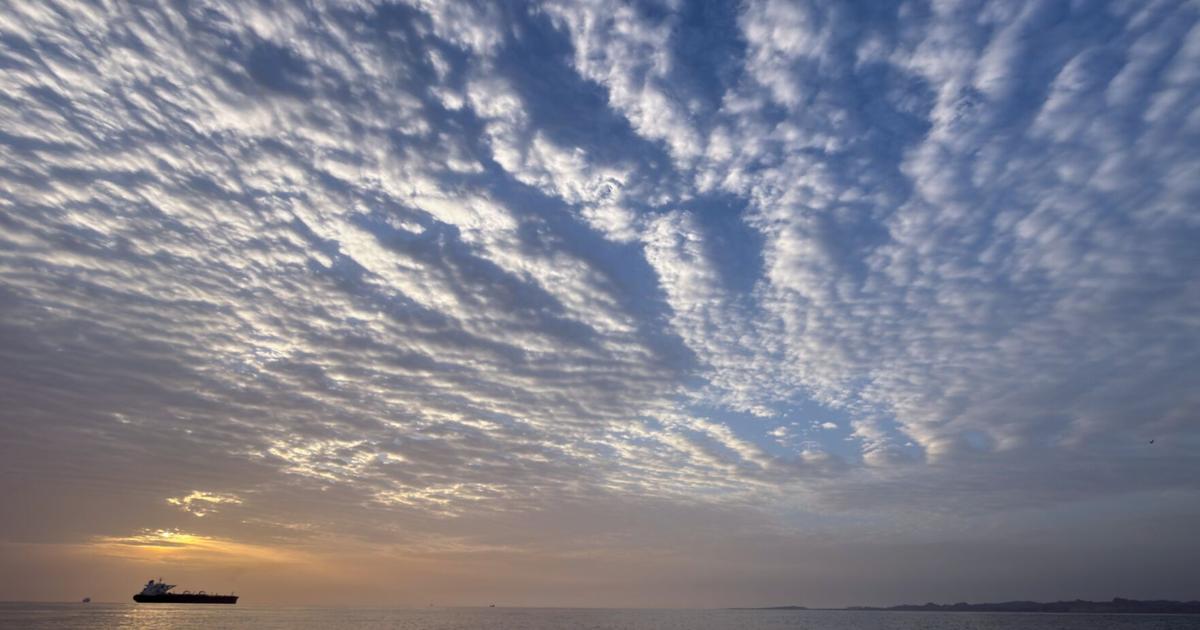
President Donald Trump says the U.S. seized an Iranian-flagged cargo ship that tried to get around its naval blockade near the Strait of Hormuz. Iranian military slammed Sunday's seizure and vowed a swift response.
It's the first such interception since
Original source:
Read at Times ArgusHow We See It
New Republican Times Editorial Board
Mainstream coverage treats this seizure like just another flare-up in an endless regional quarrel, as if the real story is Iran’s offended pride. That framing skips past the obvious point: a blockade is not a suggestion, and the Strait of Hormuz is not a playground for regimes that test limits for sport.
If an Iranian-flagged ship was trying to slip around a U.S. naval blockade, the larger question is why Washington should tolerate deliberate probing of American resolve. Tehran’s threats are not theater. They are part of a pattern aimed at weakening deterrence, shaking public trust, and normalizing intimidation along a chokepoint tied to global energy markets.
A steady response matters because rule of law at sea is what keeps commerce predictable and conflict contained. The goal is not escalation. It is national security and institutional credibility.
In the end, the principle is simple: when the United States sets a clear boundary, it must be enforced, or it ceases to exist.
Commentary written with AI assistance by the New Republican Times Editorial Board.