

The Supreme Court Term That Handed Originalists One Of Their Best Years Yet
Constitutional questions test judicial philosophy as Americans debate the role of unelected judges.
Ninety years is a long time for a piece of legal fiction to survive. That's how long Congress got to pretend agency heads answerable to no one in particular weren't really wielding presidential power, just borrowing it under some polite arrangement nobody could quite explain. Trump v.
New Republican Times Editorial Board
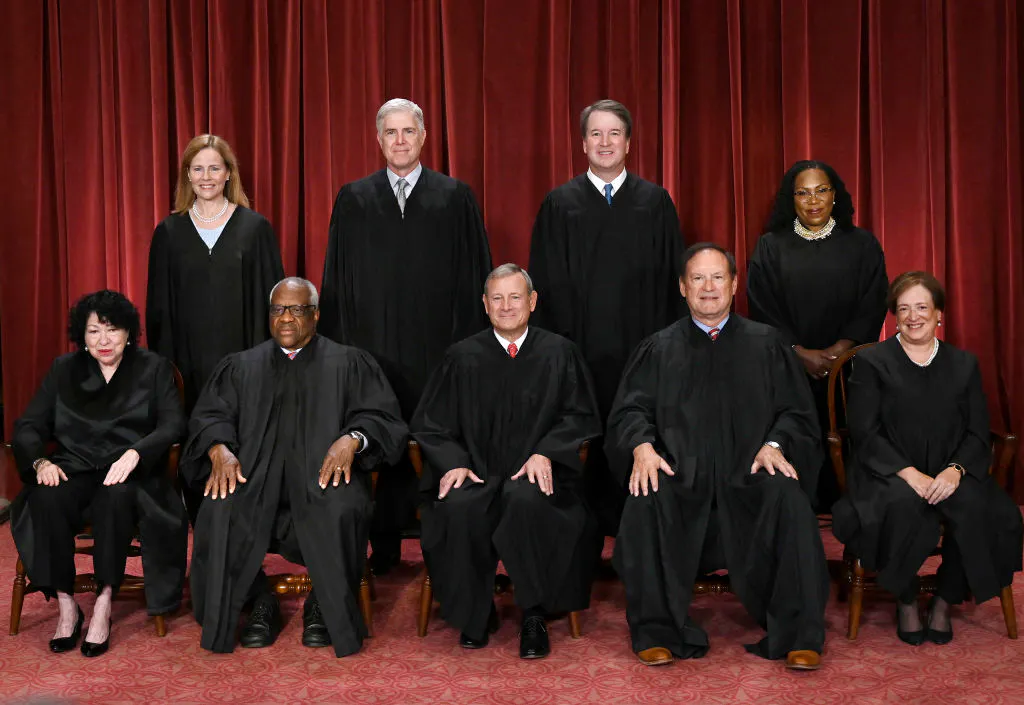
Every Supreme Court term produces headlines. This one produced structural change — the kind that will shape how power works in Washington, D.C., in statehouses, and in your own community for years to come.
Start with the case that mattered most: Trump v. Slaughter. For 90 years, Congress could shield the heads of “independent” agencies —
Original source:
Read at Daily WireHow We See It
New Republican Times Editorial Board
Ninety years is a long time for a piece of legal fiction to survive. That's how long Congress got to pretend agency heads answerable to no one in particular weren't really wielding presidential power, just borrowing it under some polite arrangement nobody could quite explain. Trump v. Slaughter finally said the quiet part out loud: if you're exercising executive authority, the President can fire you. Novel idea.
What's striking about this term isn't any single ruling. It's the accumulation. Case after case, the Court kept asking the same unfashionable question: does this arrangement actually match what the Constitution says, or just what Washington got comfortable with? Independent agencies built entire identities around being unaccountable to elected officials, and for decades that was treated as a feature rather than a problem to be explained.
We'd be lying if we said this doesn't help one side more than the other right now. It does. But the rule being restored isn't partisan, it's structural. Someone has to answer for how the executive branch is run, and it should be the person voters can actually fire.
That's not a small correction. It's the kind of thing that outlasts whoever happens to be president when it finally gets said.
Commentary written with AI assistance by the New Republican Times Editorial Board.