

The World’s Anti-Recession Guardrails Are Weaker Than Ever
Economic uncertainty forces tough choices between short-term relief and long-term stability.
The coverage treats “global guardrails” as a technical problem, as if better coordination and bigger toolkits are the obvious fix. That framing skips a harder question: who pays when those guardrails fail, and why ordinary workers keep being asked to absorb the shocks. After years of improvised rescues, central banks and finance ministries have trained markets to expect intervention.
New Republican Times Editorial Board
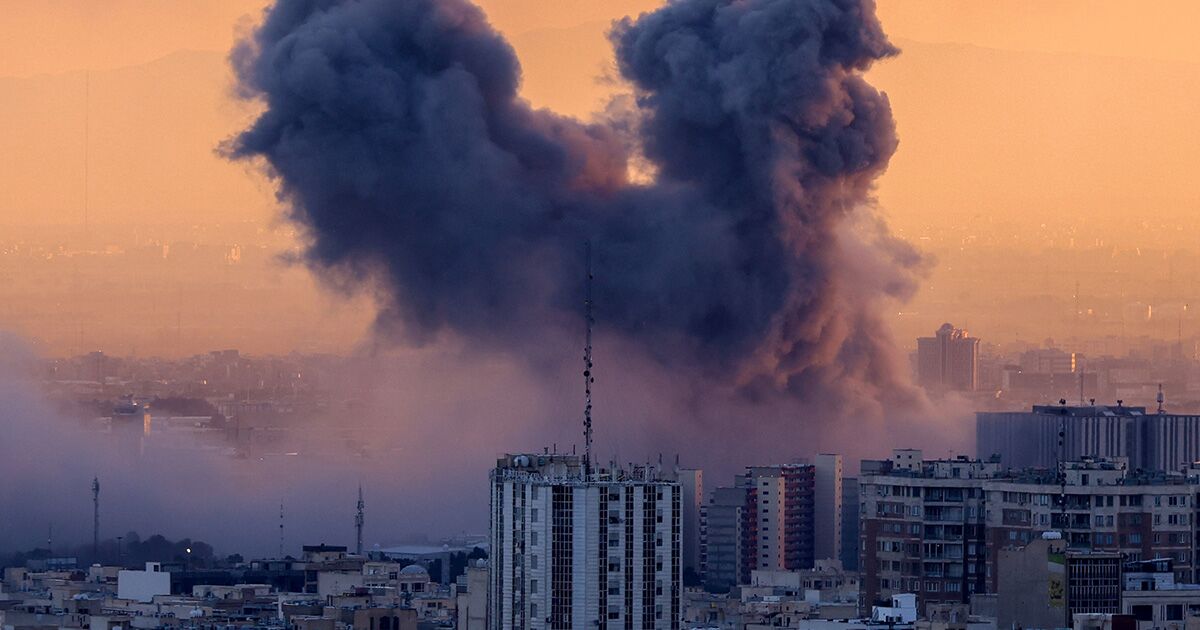
After years of repeated economic shocks, the world has been left woefully unprepared to deal with the next one.
Original source:
Read at Jorgelina Do Rosario; Shawn Donnan; Enda CurranHow We See It
New Republican Times Editorial Board
The coverage treats “global guardrails” as a technical problem, as if better coordination and bigger toolkits are the obvious fix. That framing skips a harder question: who pays when those guardrails fail, and why ordinary workers keep being asked to absorb the shocks.
After years of improvised rescues, central banks and finance ministries have trained markets to expect intervention. That erodes public trust and invites moral hazard. It also papers over the real vulnerabilities: fragile supply chains, energy instability, and debt built on low-rate assumptions that may not return.
A conservative view starts with sound money, fiscal discipline, and national resilience. Stability is not just a global spreadsheet. It is factories that can reopen, borders that can be enforced, and budgets that do not depend on permanent emergency settings.
The principle at stake is institutional credibility: if rules only exist until the next crisis, confidence will keep breaking first.
Commentary written with AI assistance by the New Republican Times Editorial Board.