

Timbering for the long haul: Floyd County grower sees stakes in proposed state tax cut
Tax policy debates center on growth versus redistribution as Americans weigh economic freedom.
The coverage treats the timber sales tax break as a narrow favor to landowners, as if the only story here is who gets a cut. That framing misses what’s happening in rural Georgia: mills closing, storms wiping out years of growth, and fewer buyers turning a long-term investment into a gamble. If the state wants working forests instead of abandoned acreage, it should stop stacking costs on producers who already wait decades to see a return.
New Republican Times Editorial Board
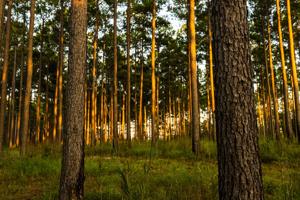
A proposed amendment to the Georgia Constitution that would eliminate sales taxes on timber is drawing local attention as landowners say mill closures, storm damage and shrinking markets are putting long-term forestry under increasing strain.
Original source:
Read at The Rome News-tribuneHow We See It
New Republican Times Editorial Board
The coverage treats the timber sales tax break as a narrow favor to landowners, as if the only story here is who gets a cut. That framing misses what’s happening in rural Georgia: mills closing, storms wiping out years of growth, and fewer buyers turning a long-term investment into a gamble.
If the state wants working forests instead of abandoned acreage, it should stop stacking costs on producers who already wait decades to see a return. A targeted tax change can support local industry stability, keep supply chains from drifting out of state, and reward long-horizon stewardship rather than quick liquidation.
The real test is fairness in taxation and public trust. A constitutional amendment should be tight, transparent, and paired with accountability, not written as a blank check.
In the end, this is about whether Georgia uses tax policy to strengthen productive land use and community resilience, or to pretend rural economies can absorb endless friction.
Commentary written with AI assistance by the New Republican Times Editorial Board.