

Trump accuses Iran of violating ceasefire with Strait of Hormuz ship attacks
Regional stability hinges on credible deterrence and strategic partnerships with key allies.
The mainstream framing treats Trump’s accusation as another bout of brinkmanship, with the real story cast as frantic diplomats “scrambling” for a deal. That misses the more basic question: what does a ceasefire mean if ship attacks in the Strait of Hormuz continue on schedule? A two-week pause is not a magic spell.
New Republican Times Editorial Board
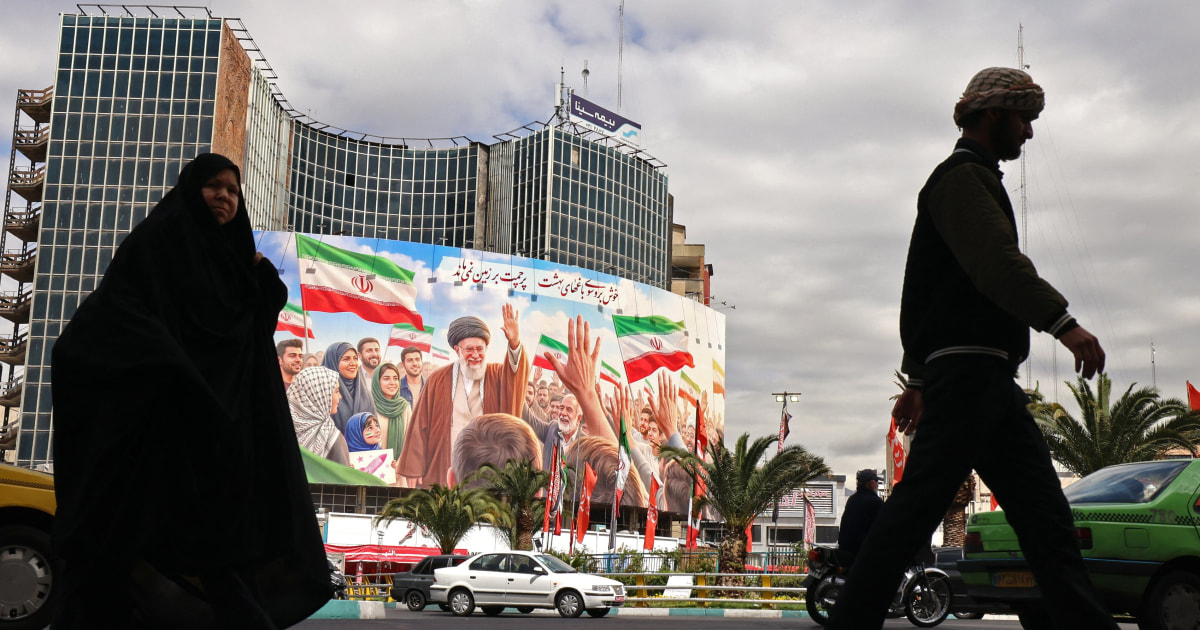
The president said negotiators would be heading to Islamabad on Monday evening, in a scramble to find a deal as the clock runs down on a two-week ceasefire.
Original source:
Read at Freddie ClaytonHow We See It
New Republican Times Editorial Board
The mainstream framing treats Trump’s accusation as another bout of brinkmanship, with the real story cast as frantic diplomats “scrambling” for a deal. That misses the more basic question: what does a ceasefire mean if ship attacks in the Strait of Hormuz continue on schedule?
A two-week pause is not a magic spell. If Iran or its proxies test the waters while talks move to Islamabad, the issue is not optics. It is freedom of navigation, credible deterrence, and whether the U.S. will accept a ceasefire that functions as cover for harassment.
Conservatives are wary of agreements that trade headlines for enforcement. Rule of law between states starts with consequences for violations, not “process” that drags on.
The principle at stake is public trust: Americans should not be asked to underwrite stability abroad while the terms are ignored at sea.
Commentary written with AI assistance by the New Republican Times Editorial Board.