

Trump allies push to arm president with new tariff weapon to punish countries 'ripping off' America
This story raises questions about governance, accountability, and American values.
Rick Scott's bill is essentially Congress handing Trump a permanent tool instead of relying on emergency powers that lawyers can chip away at in court. That's the real story here, not the tariffs themselves. After watching the administration's IEEPA-based tariffs get tangled up in litigation, Trump allies want something built to last past this term and immune to the argument that trade deficits aren't a "national emergency.
New Republican Times Editorial Board
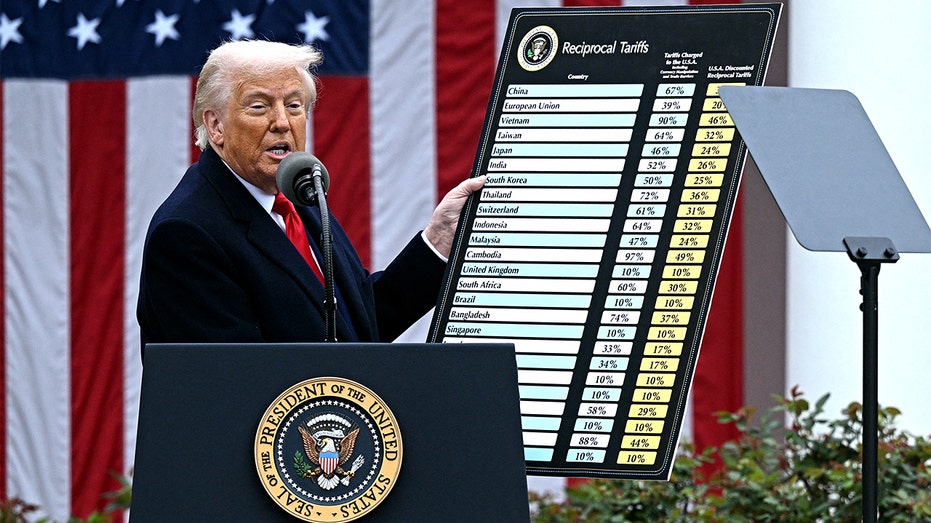
Sen. Rick Scott's Trade Deficit Elimination Act would give Trump new congressional authority to impose tariffs on countries with trade deficits.
Original source:
Read at Fox NewsHow We See It
New Republican Times Editorial Board
Rick Scott's bill is essentially Congress handing Trump a permanent tool instead of relying on emergency powers that lawyers can chip away at in court. That's the real story here, not the tariffs themselves. After watching the administration's IEEPA-based tariffs get tangled up in litigation, Trump allies want something built to last past this term and immune to the argument that trade deficits aren't a "national emergency." Whether or not you love tariffs as policy, that's a smart read of the last year.
The bigger question is whether trade deficits are actually the right trigger. A deficit with a country isn't automatically evidence of cheating. Sometimes it just means Americans want to buy stuff from a place that doesn't want to buy stuff from us, which isn't a crime, it's a preference. Tying tariff authority to a deficit number risks punishing normal commerce the same way it punishes actual currency manipulation or dumping. If the goal is stopping countries that "rip off" America, the bill should be sharper about defining what ripping off actually looks like.
Still, there's something to be said for putting this in statute rather than leaving it to executive improvisation. Congress writing the rules, instead of a president stretching a 1977 law to cover trade policy nobody imagined it would touch, is at least honest about who's supposed to hold this power. If lawmakers think tariffs on chronic-deficit countries are good policy, they should own that vote instead of watching from the sidelines while courts sort out what the White House can get away with.
Commentary written with AI assistance by the New Republican Times Editorial Board.