

Trump credits tariffs for hundreds of billions gained with 'virtually no inflation,' touts security
Rising costs hit working families hardest while Washington debates spending priorities.
Most mainstream coverage treats tariffs as a kind of economic heresy, then acts surprised when voters care more about results than economists’ models. The reflex assumption is that any trade barrier must mean higher prices and lower growth, full stop. That framing skips a basic question: what is the cost of doing nothing while supply chains drift into hostile hands?
New Republican Times Editorial Board
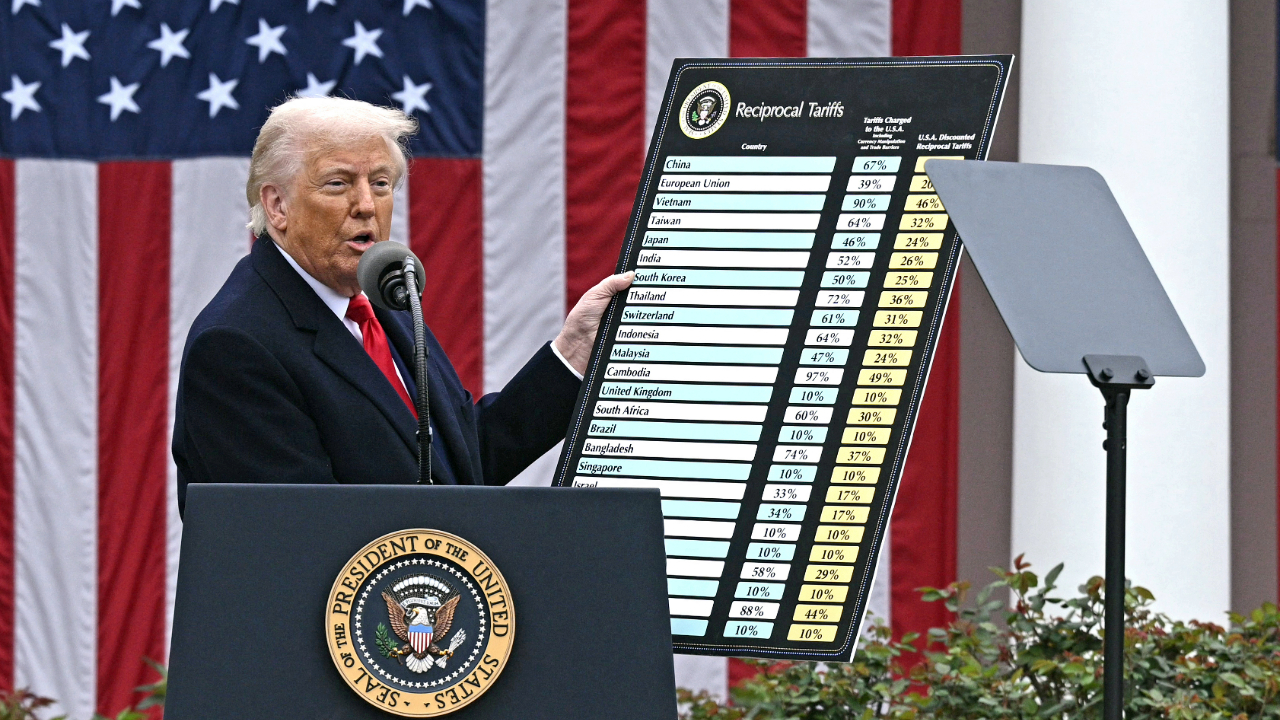
Trump claims tariffs drove 'historic' economic gains as U.S. and Taiwan announce massive $500 billion semiconductor deal to rebuild domestic manufacturing.
Original source:
Read at FOX BusinessHow We See It
New Republican Times Editorial Board
Most mainstream coverage treats tariffs as a kind of economic heresy, then acts surprised when voters care more about results than economists’ models. The reflex assumption is that any trade barrier must mean higher prices and lower growth, full stop. That framing skips a basic question: what is the cost of doing nothing while supply chains drift into hostile hands?
Tariffs are not magic, but they are leverage. If a policy nudges investment back home, it can strengthen domestic manufacturing and reduce strategic dependence. A $500 billion semiconductor commitment is not just a ribbon cutting. It is an argument for national security and supply chain resilience, especially when Taiwan sits under constant pressure from Beijing.
The real test is public trust and fairness for workers, not whether a spreadsheet predicted a cleaner outcome. Trade policy should defend the country’s industrial base and the stability that comes with it.
Commentary written with AI assistance by the New Republican Times Editorial Board.