

Trump has a China problem in Venezuela: What to do with Beijing's debt and oil stakes
Strategic competition with Beijing demands clarity on American commitments and economic leverage.
The coverage treats Venezuela like a chessboard where the only real challenge is managing Beijing’s feelings. That framing misses the point. The problem is not that pushing back on China might complicate trade optics.
New Republican Times Editorial Board
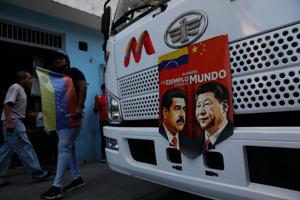
President Donald Trump’s plan to control Venezuela's oil industry and counter China's influence could clash with his goal of stabilizing trade with Beijing. Venezuela owes China at least $10 billion, a debt paid down by oil shipments.
There's a possibility
Original source:
Read at OttumwacourierHow We See It
New Republican Times Editorial Board
The coverage treats Venezuela like a chessboard where the only real challenge is managing Beijing’s feelings. That framing misses the point. The problem is not that pushing back on China might complicate trade optics. The problem is that China used debt to lock up strategic oil access in our hemisphere, and Venezuela’s collapse created a pipeline for corruption and coercion.
A conservative view starts with national security and public trust, not global dealmaking theater. Any approach that “controls” Venezuelan oil should be judged by whether it restores rule of law and blocks Beijing from using state-backed loans to buy influence. Refinancing or recognizing those claims without scrutiny rewards a model designed to outlast headlines.
Stability comes from fairness and institutional stability, including transparent contracts and a clear legal path for future investment. The principle at stake is simple: America should not normalize China’s debt-trap leverage in the Americas just to keep trade talks calm.
Commentary written with AI assistance by the New Republican Times Editorial Board.