

Trump, in interview, defends his energy and health, offers new details on his screening
This story raises questions about governance, accountability, and American values.
The press treated Trump’s health screening less like routine transparency and more like a parlor game: every detail becomes a clue, every answer a “new concern. ” When he says he regretted advanced imaging because it invited speculation, that is not an admission of weakness. It is an observation about how modern coverage rewards insinuation.
New Republican Times Editorial Board
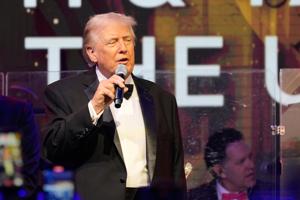
He said he regretted undergoing the advanced imaging because it raised public questions about his health.
Original source:
Read at StatesvilleHow We See It
New Republican Times Editorial Board
The press treated Trump’s health screening less like routine transparency and more like a parlor game: every detail becomes a clue, every answer a “new concern.” When he says he regretted advanced imaging because it invited speculation, that is not an admission of weakness. It is an observation about how modern coverage rewards insinuation.
What gets missed is the real public interest: fitness for office judged by steady performance and disclosed facts, not by selective leaks and commentary. If a candidate shares results, media should respect basic privacy while asking clear, consistent questions of everyone. The current approach invites one-sided standards and corrodes public trust.
A healthier norm is simple: transparent disclosures, equal scrutiny, and restraint from sensationalizing medicine. In the end, institutional stability depends on treating health as governance-relevant information, not a shortcut to narrative.
Commentary written with AI assistance by the New Republican Times Editorial Board.