

Trump Mulls Shipping Workaround As Oil Tankers Race To Refill U.S. Coasts
This story raises questions about governance, accountability, and American values.
Mainstream coverage treats a Jones Act waiver as a tidy “price relief” lever, with labor objections reduced to special pleading. That framing skips the obvious question: why is the U. S.
New Republican Times Editorial Board
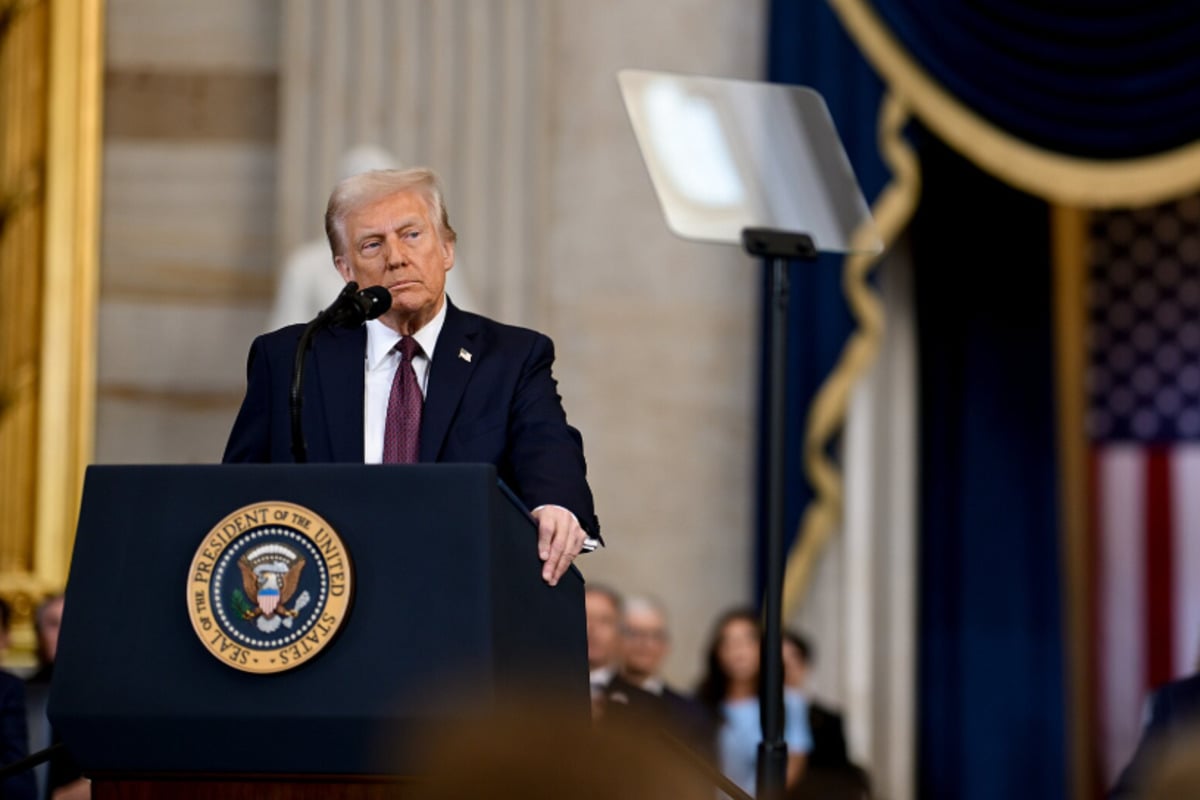
Trump may extend a 60‐day Jones Act waiver letting foreign tankers move fuel between U.S. ports; unions warn of job losses while analysts see slim price impact.
Original source:
Read at HoodlineHow We See It
New Republican Times Editorial Board
Mainstream coverage treats a Jones Act waiver as a tidy “price relief” lever, with labor objections reduced to special pleading. That framing skips the obvious question: why is the U.S. still so dependent on foreign hulls to move energy along our own coastline?
A 60-day waiver can make sense in a genuine pinch, but temporary fixes have a way of becoming habit. If analysts expect only modest price effects, then the case for bypassing American shipping should be held to a higher bar than “it might help.”
The real issue is national security and supply-chain resilience. The Jones Act is not a nostalgia project. It is a policy choice to maintain domestic maritime capacity, protect public trust, and keep critical infrastructure from relying on flags of convenience.
The principle at stake is simple: rules that sustain strategic industries should not be waived casually, especially when the payoff is uncertain.
Commentary written with AI assistance by the New Republican Times Editorial Board.