

Trump threatened GOP senators who voted for War Powers resolution in ‘angry' calls
Progressive policy ambitions meet practical realities as Americans weigh costs and consequences.
NBC’s framing treats the real story as Trump’s “angry” phone calls, as if sharp words are the scandal and not a Congress eager to reclaim war making authority only when a Republican is in the Oval Office. Presidents lobby senators. Senators push back.
New Republican Times Editorial Board
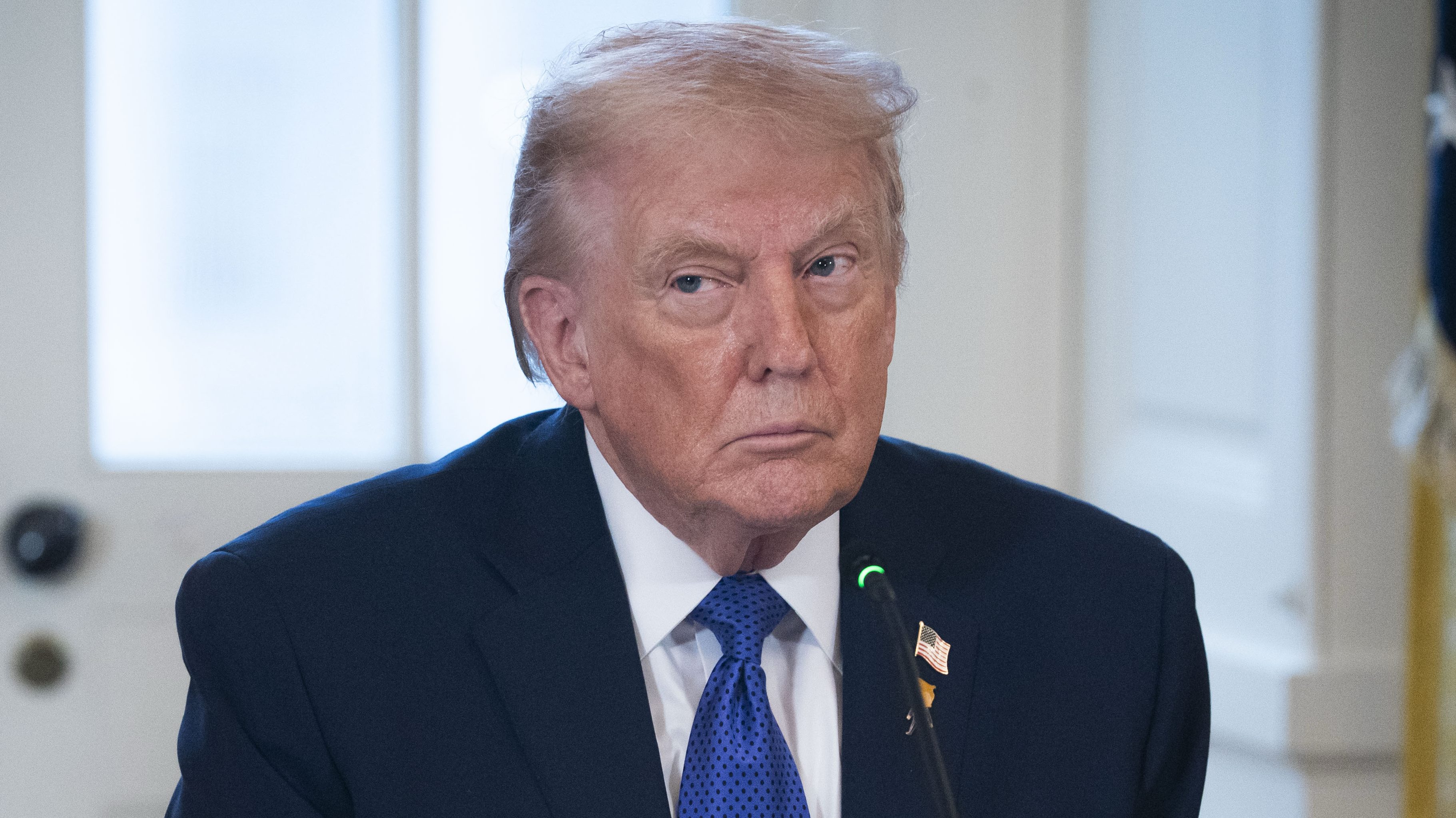
Hours after the Senate voted to advance the War Powers resolution rebuking the White House’s current and future actions in Venezuela, President Donald Trump placed “angry” calls to each of the five Republicans who crossed the aisle, according to people with knowledge of the calls.Sens.
Josh Hawley, R-Mo., Lisa Murkowski, R-Alaska, Rand Paul, R-Ky., Susan Collins, R-Maine, and Todd Young, R-Ind., voted with Democrats to require the administration to obtain Congressional approval for future military action in Venezuela.Thursday’s vote was procedural motion and advances the legislation to a full Senate vote that will require a simple majority.Soon after the vote, Trump threatened each Senator with primary challenges, vowing to unseat them from their posts in Congress, the people said.The call...
Original source:
Read at NBC 5 DallasHow We See It
New Republican Times Editorial Board
NBC’s framing treats the real story as Trump’s “angry” phone calls, as if sharp words are the scandal and not a Congress eager to reclaim war making authority only when a Republican is in the Oval Office. Presidents lobby senators. Senators push back. That is politics, not a constitutional crisis.
What gets lost is the practical question: can the United States deter threats and protect Americans if every emerging contingency is bottlenecked by today’s Washington? The War Powers debate often becomes a way to signal restraint while quietly inviting paralysis.
Conservatives should be clear about national security, constitutional authority, and accountability. Congress has a duty to authorize wars, but the commander in chief also needs room to act against imminent danger and protect U.S. interests, especially in a volatile hemisphere.
At stake is institutional stability and public trust: set clear rules, demand serious oversight, and avoid turning separation of powers into a tool of convenience.
Commentary written with AI assistance by the New Republican Times Editorial Board.