

Trump thumped in WSJ editorial for staggering iconic US whiskey distilleries
Conservative principles face implementation challenges as policy meets political complexity.
The Journal frames the whiskey slowdown as a morality play about tariffs, as if every stalled still is proof that trade leverage never works. That is a tidy story, but it skips the hard part: foreign governments chose to target **iconic American brands** because they know U. S.
New Republican Times Editorial Board
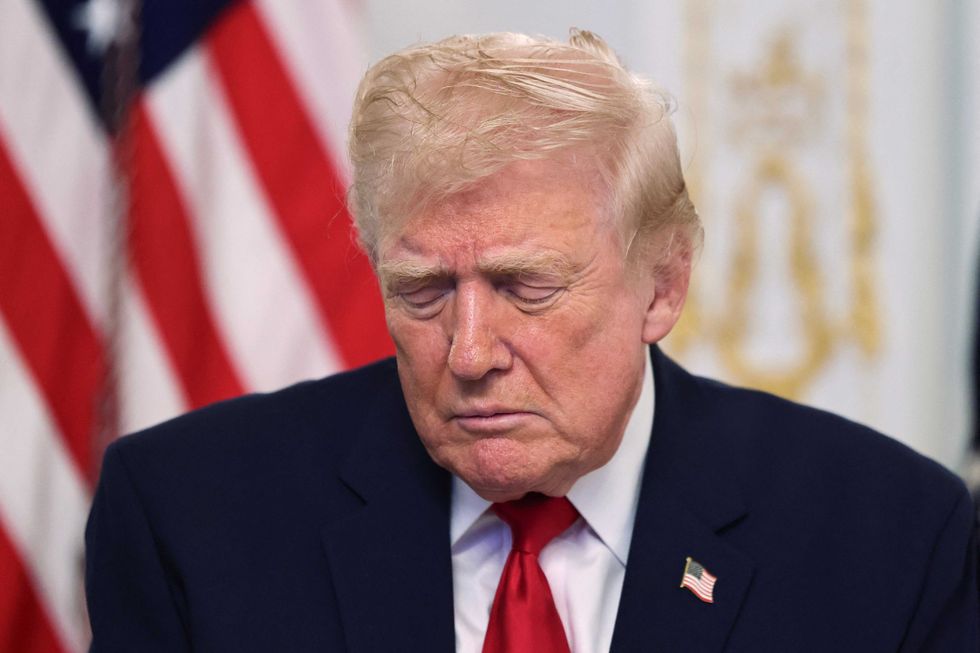
The Wall Street Journal's conservative editorial board complained Friday that America's whiskey industry is reeling from the consequences of President Donald Trump's tariff policies, as major distillers make dramatic moves to weather the economic storm.
Jim Beam announced it would "pause distillation at our main distillery on the James B. Beam campus for 2026," while Jack Daniel's reported declining profits amid what the company characterized as a "challenging economic environment."While the Journal acknowledged outside factors, including consumer behavior, played a role, the editors heaped blame on Trump."President Trump’s trade wars aren’t helping," the board said.After all, Trump triggered a tariff dispute with Canada, which responded by yanking U.S. spirits from shelves.
Although Canad...
Original source:
Read at Raw StoryHow We See It
New Republican Times Editorial Board
The Journal frames the whiskey slowdown as a morality play about tariffs, as if every stalled still is proof that trade leverage never works. That is a tidy story, but it skips the hard part: foreign governments chose to target iconic American brands because they know U.S. politics will pressure Washington to blink.
Conservatives should be honest about the costs. On-again, off-again uncertainty is poison for an industry that plans years out. But it is also true that Canada’s provincial “ban” and the EU’s tariff threats are not market forces. They are politicized retaliation designed to box in U.S. negotiators.
The real test is whether policy restores fair trade and reciprocity without treating domestic producers as collateral damage. Public trust requires predictable rules, targeted leverage, and a clear endgame.
Commentary written with AI assistance by the New Republican Times Editorial Board.