

Trump, world leaders mourn Sen. Lindsey Graham
Conservative principles face implementation challenges as policy meets political complexity.
Lindsey Graham was 71. That number alone stops you cold. A "brief and sudden illness" is one of those phrases that tells you almost nothing and everything at once, and a lot of Washington is going to spend this week not talking politics but just trying to absorb that someone who was on television arguing about Ukraine funding two weeks ago is simply gone.
New Republican Times Editorial Board
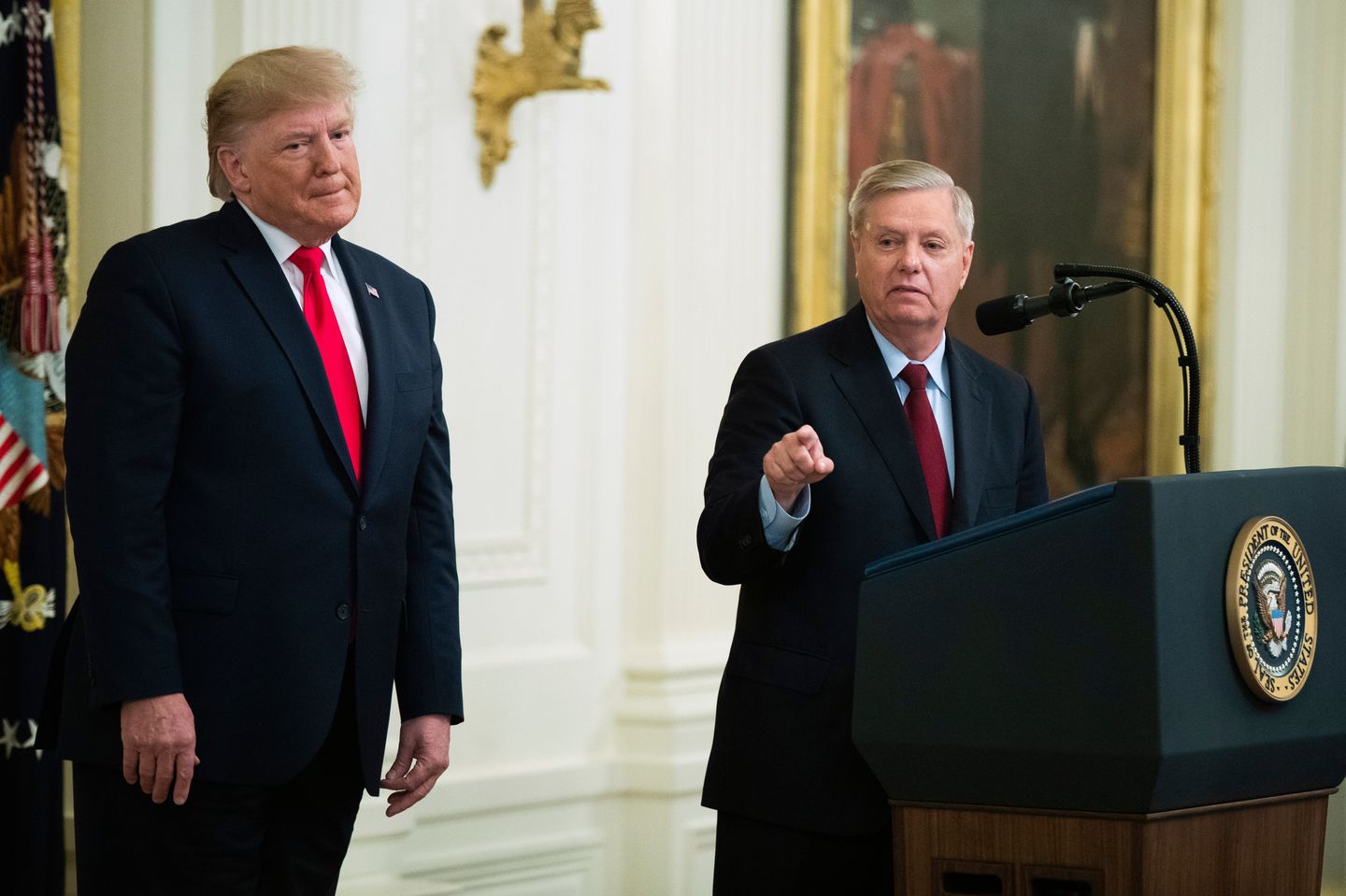
Sen. Lindsey Graham, South Carolina Republican and one of President Trump's closest congressional allies, died Saturday evening at 71 following a "brief and sudden illness," his office said in a social media post.
Original source:
Read at Washington TimesHow We See It
New Republican Times Editorial Board
Lindsey Graham was 71. That number alone stops you cold. A "brief and sudden illness" is one of those phrases that tells you almost nothing and everything at once, and a lot of Washington is going to spend this week not talking politics but just trying to absorb that someone who was on television arguing about Ukraine funding two weeks ago is simply gone.
Whatever you thought of Graham's votes, and plenty of conservatives had complicated feelings about plenty of them, he was one of the last guys in the Senate who actually seemed to like the job. He picked up the phone. He went on Sunday shows and said things plainly instead of hiding behind talking points written by a communications staffer. He fought hard for Trump when it counted and told him things he probably didn't want to hear when that counted too. That's rarer than it should be in this town.
The tributes pouring in from world leaders and from Trump himself aren't just protocol. Graham built actual relationships, the old-fashioned kind, across party lines and across oceans, at a time when most of Congress treats the other side like an enemy combatant. You don't have to romanticize the man to admit that skill is disappearing from public life, and losing someone who had it is a real loss, not just a news cycle.
South Carolina lost a senator who showed up. The rest of us lost one of the few people left in Washington who still argued like he meant it and still picked up the phone afterward.
Commentary written with AI assistance by the New Republican Times Editorial Board.