

Trump's Justice Department sues New York, other blue states over tuition for illegal immigrants
This story raises questions about governance, accountability, and American values.
Here's the thing that always gets lost in these fights: this isn't about immigration policy in the abstract, it's about who a state legislature decided to subsidize with public university slots and taxpayer aid. New York, Connecticut, and Vermont wrote laws that let people without legal status pay the same discounted tuition rate as in-state residents, sometimes cheaper than what an American kid from New Jersey or Ohio would pay to attend the same school. That's not a footnote.
New Republican Times Editorial Board
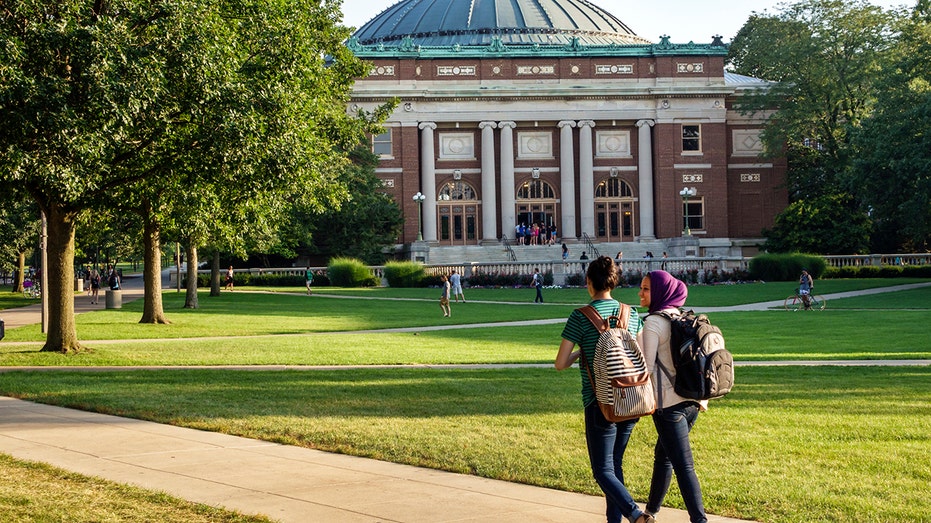
Trump's DOJ filed lawsuits against New York, Connecticut, and Vermont over laws it claims provide in-state tuition and financial assistance to illegal immigrants.
Original source:
Read at Fox NewsHow We See It
New Republican Times Editorial Board
Here's the thing that always gets lost in these fights: this isn't about immigration policy in the abstract, it's about who a state legislature decided to subsidize with public university slots and taxpayer aid. New York, Connecticut, and Vermont wrote laws that let people without legal status pay the same discounted tuition rate as in-state residents, sometimes cheaper than what an American kid from New Jersey or Ohio would pay to attend the same school. That's not a footnote. That's the actual policy being sued over.
Federal law already says states can't do this without extending the same benefit to out-of-state U.S. citizens, which none of these states bothered to do. So the DOJ's argument isn't some novel legal theory cooked up for headlines. It's pointing at a statute that's been sitting there since the Clinton era and asking why three states have been ignoring it for years while nobody in Albany, Hartford, or Montpelier wanted to touch the question.
The politics here are obvious. These states built these tuition programs because it polls well with a certain base, and nobody wanted to be the legislator who voted to make college more expensive for kids who grew up there, regardless of status. We get the instinct. But sympathy for a kid who didn't choose his parents' immigration status doesn't erase the fact that public universities have limited seats and states are supposed to answer to the people who actually fund them through taxes: citizens and legal residents first.
If Connecticut or New York wants to defend these laws, fine, let them make that case in court instead of just assuming nobody would ever check. That's really what this lawsuit tests. Not whether these states care about immigrants, but whether they think federal law applies to them at all.
Commentary written with AI assistance by the New Republican Times Editorial Board.