

Trump’s ‘not good’ approval rating could hurt party in midterm elections: Byron York
Election integrity questions persist as states navigate federal mandates and voter confidence.
Byron York isn't wrong about the history books. Presidents with weak approval numbers heading into midterms usually watch their party get hammered. That's not a talking point, it's just what happened in 2010, 2018, and a handful of other cycles people would rather forget.
New Republican Times Editorial Board
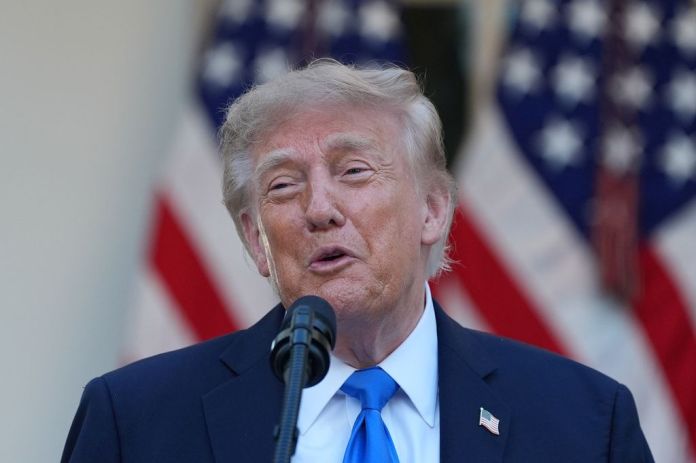
Washington Examiner chief political correspondent Byron York said President Donald Trump’s job approval rating was “not good” leading into the midterm elections, noting that historically, that has proven to negatively affect how the sitting president’s party performs. “Well, old thinking says that the president’s job approval rating is one of the best predictors of how […]
Original source:
Read at Washington ExaminerHow We See It
New Republican Times Editorial Board
Byron York isn't wrong about the history books. Presidents with weak approval numbers heading into midterms usually watch their party get hammered. That's not a talking point, it's just what happened in 2010, 2018, and a handful of other cycles people would rather forget. So when someone with York's track record says Trump's numbers are "not good," Republicans should hear it as a warning, not an attack.
But the "old thinking" phrase he used is doing a lot of work. Approval ratings in 2025 don't behave the way they did in 2006. The media environment is fractured, polling methodology has taken a beating in three straight presidential cycles, and a chunk of the electorate simply doesn't answer pollsters the way it used to. That doesn't mean the number is meaningless. It means treating it like gospel is its own kind of old thinking.
What actually matters is whether Republicans running in swing districts feel the ground shifting under them, and whether the White House does anything to change the trajectory before voters lock in their opinions. Approval numbers move. Inflation news, a foreign policy win, a legislative fight that lands well, any of that can reset the conversation months out from November. Sitting on a bad number and hoping it fixes itself is how you lose seats you didn't need to lose.
None of this is an argument for complacency. If anything it's the opposite. The party has time to make the case, but time isn't the same thing as a plan, and right now the plan is the part that's missing.
Commentary written with AI assistance by the New Republican Times Editorial Board.