

Twenty-five states sue Trump administration over latest round of global tariffs
Progressive policy ambitions meet practical realities as Americans weigh costs and consequences.
So the Supreme Court says no, and the administration comes back with a new legal coat hanger to hang the same policy on. That's the part worth sitting with here. Twenty-five states aren't suing because they hate tariffs on principle.
New Republican Times Editorial Board
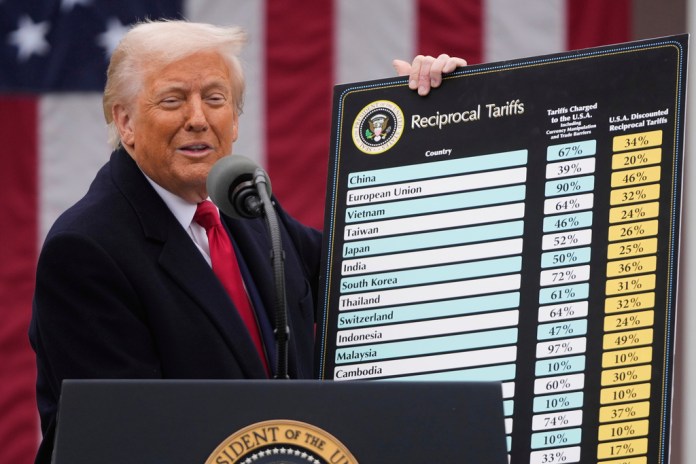
The Trump administration was sued by 25 Democratic-led states over the president’s latest round of global tariffs, arguing that it was trying to use a different legal authority to resurrect a policy the Supreme Court had struck down.
The lawsuit was filed in the U.S. Court of International Trade in New York on Monday, targeting […]
Original source:
Read at Washington ExaminerHow We See It
New Republican Times Editorial Board
So the Supreme Court says no, and the administration comes back with a new legal coat hanger to hang the same policy on. That's the part worth sitting with here. Twenty-five states aren't suing because they hate tariffs on principle. They're suing because they watched one legal theory get struck down and now they're watching the White House reach for another statute to do the same thing by a different door.
We've said before that tariffs are a legitimate tool, and we still believe that. Presidents should have room to protect American industry and push back on countries that have spent decades treating our market like an open buffet. But there's a difference between using power you have and hunting through the U.S. Code for a workaround after a court tells you that you don't have it. If the first authority didn't survive review, the answer isn't to go shopping for a second one that might dodge the same scrutiny for a while. That's not strength. That's just delay.
The states filing this aren't some neutral party either, and we don't pretend otherwise. Many of them would sue over tariffs no matter how they were structured. But that doesn't mean the underlying question is fake. Courts exist so that "the last ruling was inconvenient" isn't a legal strategy. If this administration wants durable trade policy, it should be building the case through Congress or through authority that can actually hold up, not through a rematch in front of the same judges over the same basic idea.
None of this means the tariffs are wrong on the merits. It means the process matters, and skipping past a Supreme Court loss with a new label on the same box is going to keep this fight in court instead of settled.
Commentary written with AI assistance by the New Republican Times Editorial Board.