UK ‘in free fall’ on free speech, expert warns as British MP brands Trump admin grant 'MAGA money meddling'
First Amendment principles face new threats from both government overreach and corporate gatekeeping.
A British MP calling out an American free speech grant as "meddling" is the kind of headline you have to read twice. The State Department is offering half a million dollars to fund projects on free expression and limited government in a country that arrests people over Facebook posts and WhatsApp messages, and the objection isn't to the arrests. It's to the money.
New Republican Times Editorial Board
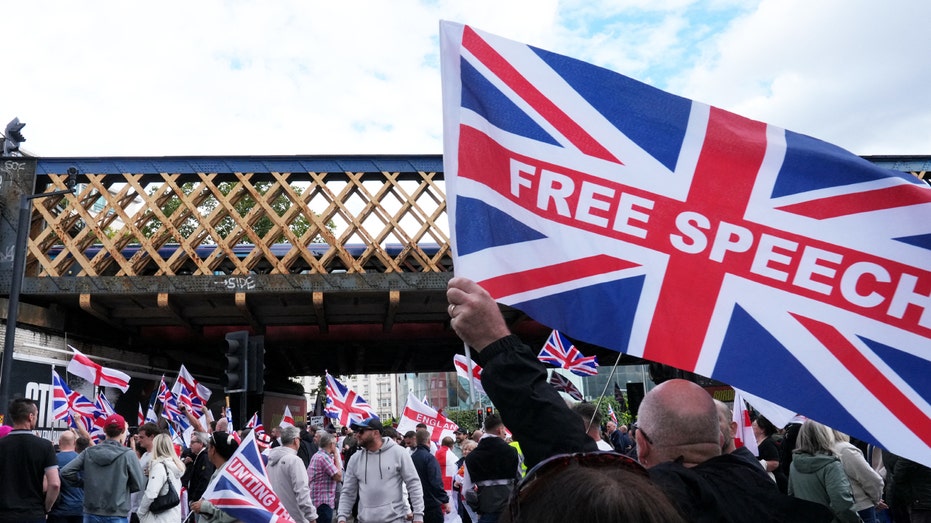
The U.S. Embassy in London is offering up to $500,000 for projects promoting Anglo-American principles including freedom of speech, limited government and the rule of law.
Original source:
Read at Fox NewsHow We See It
New Republican Times Editorial Board
A British MP calling out an American free speech grant as "meddling" is the kind of headline you have to read twice. The State Department is offering half a million dollars to fund projects on free expression and limited government in a country that arrests people over Facebook posts and WhatsApp messages, and the objection isn't to the arrests. It's to the money.
That tells you where things actually stand. When an ally's political class treats "freedom of speech" as a suspicious American import rather than a shared inheritance, something has genuinely broken. The UK didn't get these ideas from us originally. We got a lot of them from them. Magna Carta, habeas corpus, the whole common law tradition. So watching a sitting MP bristle at "MAGA money" funding projects about limited government is less an insult to Washington than an admission about London.
We'd also push back gently on the framing that this is some partisan Trump-era stunt. Embassies fund civic programming all the time, under every administration, in dozens of countries. The only reason this one is news is that the underlying premise, that Britain might need outside encouragement to remember why free speech matters, is apparently no longer controversial to the experts sounding alarms about it. If a UK academic is willing to say the country is "in free fall" on this front, the embarrassment isn't the grant. It's what prompted someone to write the grant application in the first place.
None of this requires American smugness. Our own speech fights are real and ongoing. But there's a difference between debating where lines belong and treating the debate itself as foreign interference. If defending expression now reads as a partisan American export, that's a five-alarm problem for Britain, not for us.
Commentary written with AI assistance by the New Republican Times Editorial Board.