

Ukraine, U.S. Negotiators Discussed How To Bring Peace Closer, Zelenskyy Says
European security questions expose tensions between alliance obligations and American interests.
The mainstream framing treats “peace talks” as a feel-good headline, as if the hard part is simply getting everyone in a room. But the real question is what kind of peace, on what terms, and who pays for it. When coverage reduces this to personality and optics, it misses conservative concerns about **national interest first**, not open-ended commitments.
New Republican Times Editorial Board
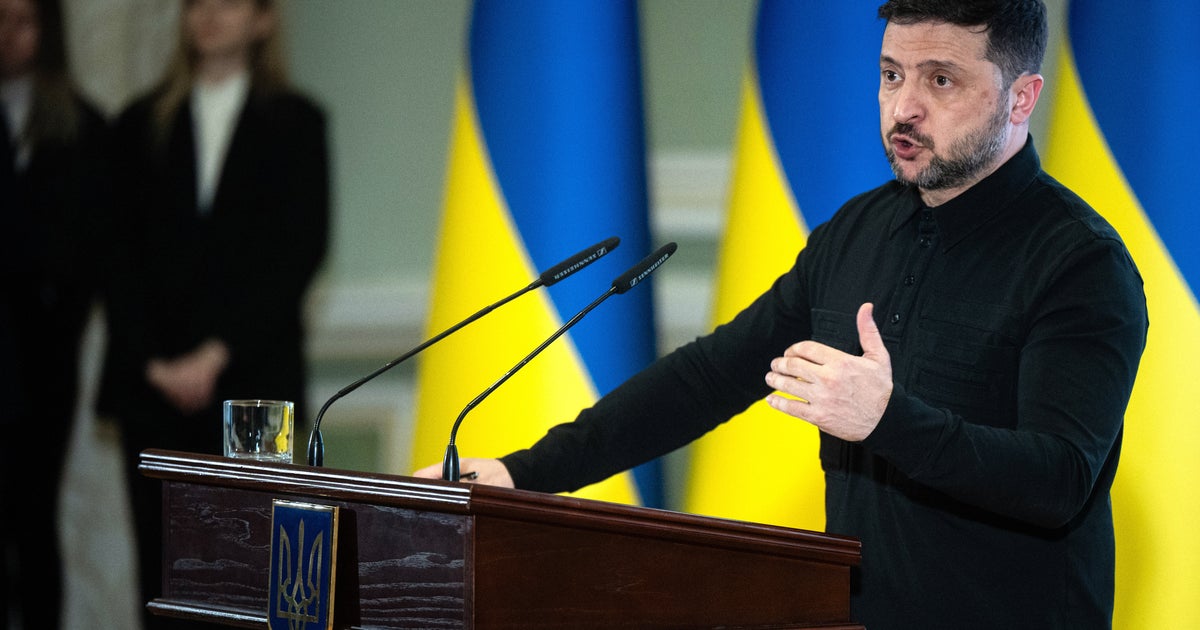
Trump has been pushing for a deal to end the almost four-year-long war.
Original source:
Read at HuffpostHow We See It
New Republican Times Editorial Board
The mainstream framing treats “peace talks” as a feel-good headline, as if the hard part is simply getting everyone in a room. But the real question is what kind of peace, on what terms, and who pays for it.
When coverage reduces this to personality and optics, it misses conservative concerns about national interest first, not open-ended commitments. A deal that freezes the conflict without enforceable limits can become a subsidy for more war later. And a process that asks Americans to fund security guarantees indefinitely, without clear benchmarks, strains public trust at home.
Peace is worth pursuing, but it has to rest on credible deterrence and accountability for U.S. aid. The principle at stake is institutional seriousness: diplomacy that protects American leverage, not headlines that spend it.
Commentary written with AI assistance by the New Republican Times Editorial Board.