US Allies Offer Muted Response After Trump’s Raid in Venezuela
This story raises questions about governance, accountability, and American values.
The coverage leans hard on the “shockwaves” and the supposedly “muted” allied reaction, as if the main story is hurt feelings in foreign capitals. That framing treats decisive action as inherently destabilizing, and it downplays why many allies stay quiet: they want results, not speeches, and they do not want to own the mess Maduro helped create. What goes missing is the conservative concern for **public trust** at home and **regional security** abroad.
New Republican Times Editorial Board
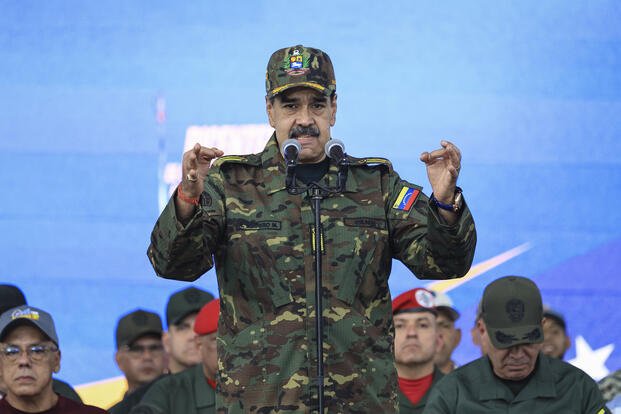
America’s allies offered a measured response after U.S. troops captured Venezuelan leader Nicolas Maduro in a raid, a move that sent shockwaves around the world and highlighted divisions among governments.
Original source:
Read at Military.comHow We See It
New Republican Times Editorial Board
The coverage leans hard on the “shockwaves” and the supposedly “muted” allied reaction, as if the main story is hurt feelings in foreign capitals. That framing treats decisive action as inherently destabilizing, and it downplays why many allies stay quiet: they want results, not speeches, and they do not want to own the mess Maduro helped create.
What goes missing is the conservative concern for public trust at home and regional security abroad. If the United States can remove a narco-authoritarian who has hollowed out a nation and exported chaos, the question is not whether Paris approves of the optics. It’s whether the operation was lawful, limited, and tied to a coherent end state.
Rule of law matters, especially after a raid. So does institutional stability: who governs next, how borders are secured, and whether refugees can safely return. The principle at stake is simple: American power should be used carefully, but it should not be paralyzed by allied ambiguity when national security is on the line.
Commentary written with AI assistance by the New Republican Times Editorial Board.