

US-Iran Conflict Escalates Amid Oil Blockade and Rising Global Tensions
Regional stability hinges on credible deterrence and strategic partnerships with key allies.
The mainstream framing treats a naval blockade as either reckless macho politics or a tidy technocratic tool to “manage” oil prices. That skips the hard part: Iran’s oil exports are not just commodities. They bankroll a regime that traffics in proxy warfare and regional disruption.
New Republican Times Editorial Board
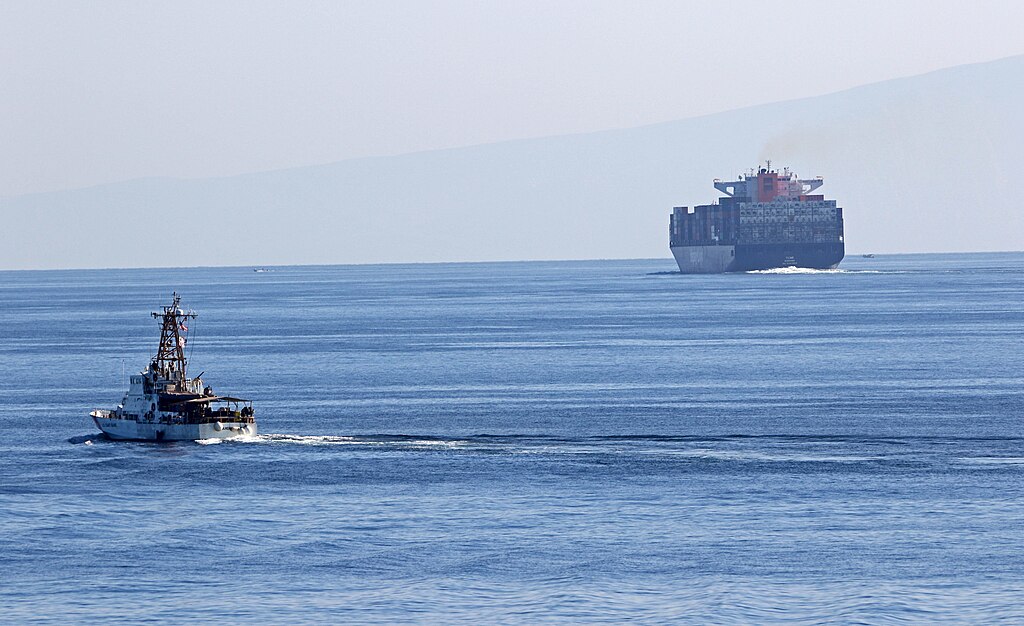
The United States-Iran conflict continues to intensify as President Donald Trump engages with oil executives to address the potential long-term impact of a U.S. naval blockade targeting Irans oil exports.
The blockade,
Original source:
Read at EconotimesHow We See It
New Republican Times Editorial Board
The mainstream framing treats a naval blockade as either reckless macho politics or a tidy technocratic tool to “manage” oil prices. That skips the hard part: Iran’s oil exports are not just commodities. They bankroll a regime that traffics in proxy warfare and regional disruption.
Conservatives look first at national security and the rule of law at sea. A blockade is serious because it tests international norms and invites escalation, but doing nothing also has a cost. The question is whether pressure is targeted, lawful, and tied to achievable aims, not whether it makes pundits uncomfortable.
Domestic media also downplays energy independence. Meeting with producers is not cronyism if it’s about keeping Americans insulated from shocks while denying Tehran cash.
The principle is public trust through credible strategy: limited objectives, clear authority, and consequences that don’t land hardest on American families.
Commentary written with AI assistance by the New Republican Times Editorial Board.