US pledges $2B for UN humanitarian aid
This story raises questions about governance, accountability, and American values.
The coverage treats a $2 billion pledge as a marker of moral leadership, as if the only serious question is whether it keeps our “largest donor” status. That framing assumes Americans should bankroll global institutions to validate an international reputation, even when results are hard to measure. Conservatives aren’t hostile to aid.
New Republican Times Editorial Board
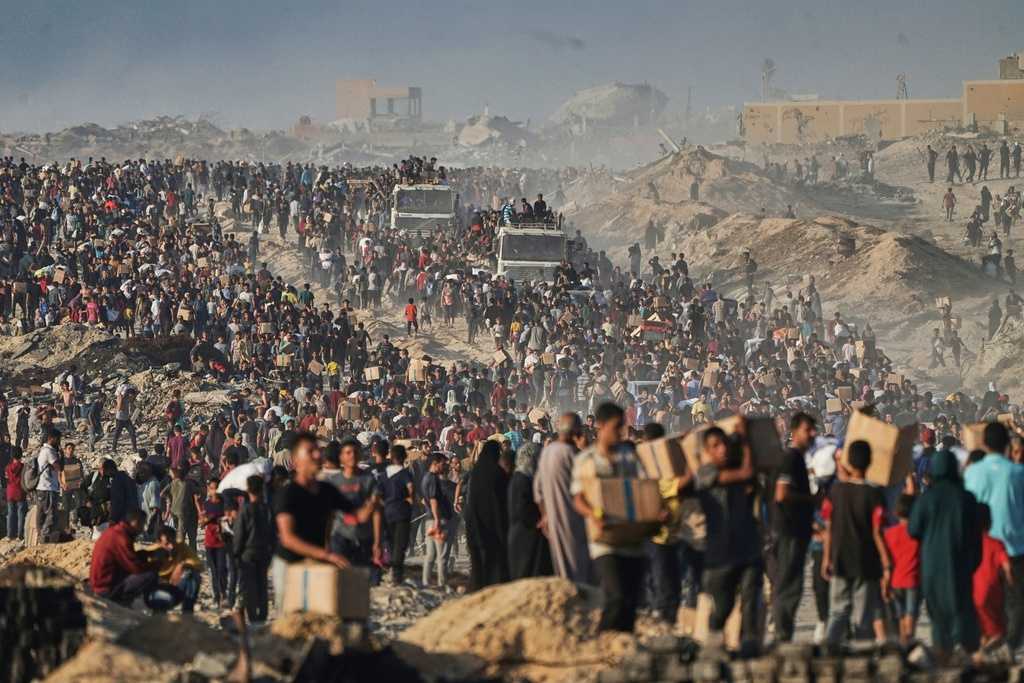
The money is a small fraction of what the U.S. has contributed in the past but reflects what the administration believes is a generous amount that will maintain the United States’ status as the world’s largest humanitarian donor.
Original source:
Read at KcraHow We See It
New Republican Times Editorial Board
The coverage treats a $2 billion pledge as a marker of moral leadership, as if the only serious question is whether it keeps our “largest donor” status. That framing assumes Americans should bankroll global institutions to validate an international reputation, even when results are hard to measure.
Conservatives aren’t hostile to aid. We’re skeptical of writing large checks to the UN without sharper conditions, transparency, and proof that funds reach civilians instead of feeding corruption or empowering bad actors. Public trust erodes when taxpayers see endless commitments with little accountability.
A smarter approach ties funding to measurable outcomes, insists on strict oversight, and prioritizes national security and regional partners who can deliver aid directly. Fiscal responsibility is not indifference; it is a demand that compassion be effective.
The principle at stake is accountability to the American taxpayer, not the size of the press release.
Commentary written with AI assistance by the New Republican Times Editorial Board.