

Utica council revisits debate on committee structure
This story raises questions about governance, accountability, and American values.
The coverage treats Utica’s committee fight like procedural inside baseball, as if structure is just personal preference. It isn’t. How a council organizes itself shapes who gets heard, how fast problems get solved, and whether taxpayers can follow the trail.
New Republican Times Editorial Board
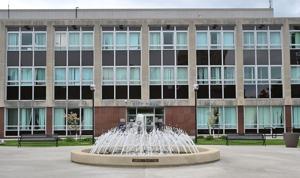
UTICA — The Utica Common Council met on Wednesday as debate continued over how council business should be organized during the new term. At issue was whether the council should continue operating as a committee of the whole or shift
Original source:
Read at RomesentinelHow We See It
New Republican Times Editorial Board
The coverage treats Utica’s committee fight like procedural inside baseball, as if structure is just personal preference. It isn’t. How a council organizes itself shapes who gets heard, how fast problems get solved, and whether taxpayers can follow the trail.
A “committee of the whole” can mean openness, but it can also become a fog machine, with responsibility spread so thin that no one owns the outcomes. On the other hand, specialized committees can sharpen oversight, but only if they do not turn into little fiefdoms run off-camera.
The conservative concern is simple: public trust rises when decisions are legible and enforceable. Whatever model Utica chooses should reinforce rule of law, clear lines of accountability, and fairness for taxpayers.
This is not about which side wins the gavel. It’s about building an institution that delivers transparent governance and earns legitimacy the hard way, by doing the basics well.
Commentary written with AI assistance by the New Republican Times Editorial Board.